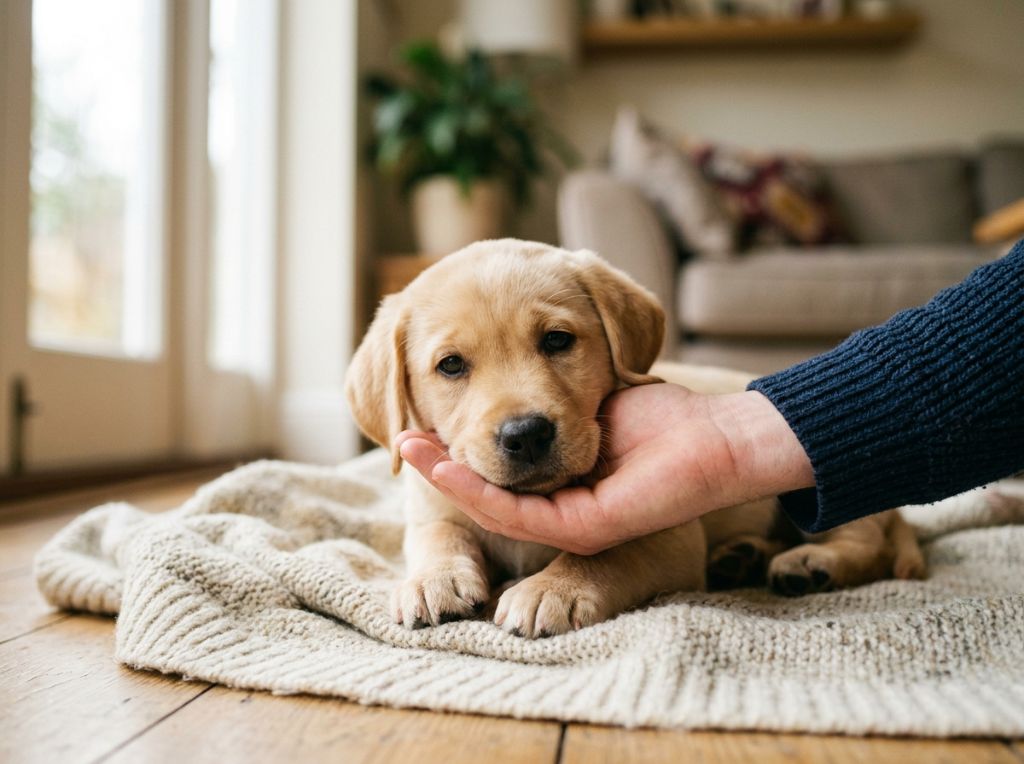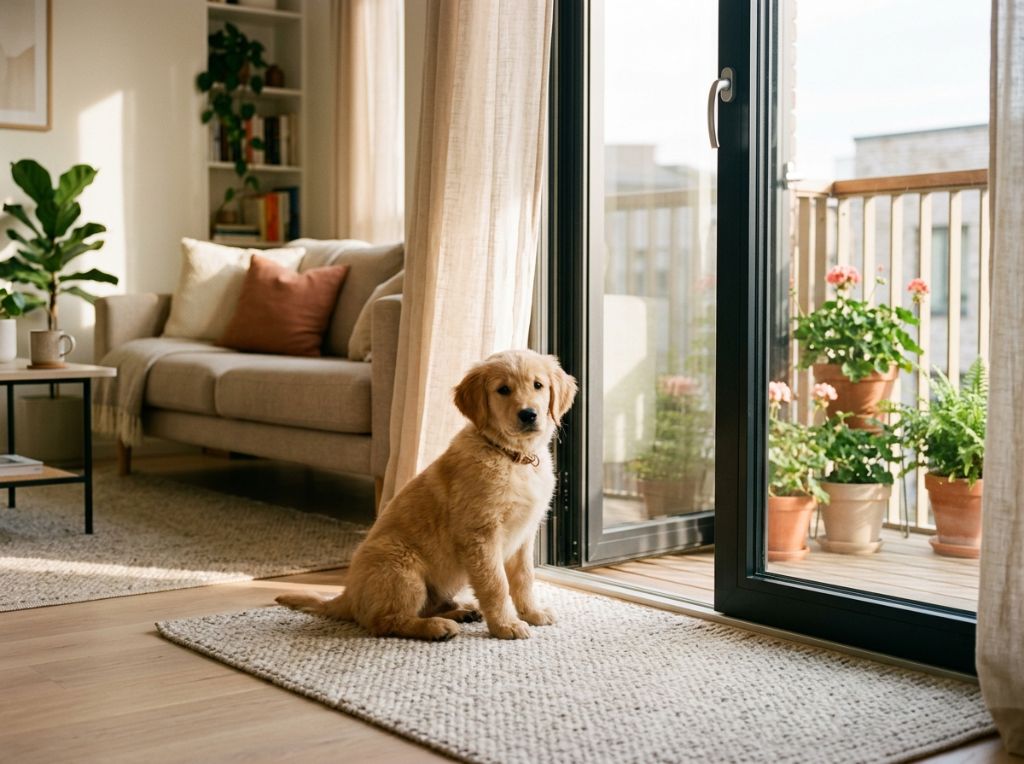
There is a specific kind of panic that only an apartment dweller with a new puppy understands. It usually happens at 3:00 AM, while you are frantically waiting for a slow elevator, praying your 10-pound furball can hold their bladder for just thirty seconds longer. Living in a high-rise or a small studio adds a layer of complexity to housebreaking that suburban owners with fenced yards simply don’t face. But here is the good news: you don't need a backyard to raise a clean, well-behaved dog.
Potty training a puppy in an apartment is entirely possible, and it doesn't have to take months. By understanding your puppy’s biology and creating a bulletproof routine, you can fast-track the process and save your rugs from ruin. Success in a small space requires a mix of management, timing, and a lot of patience. If you are also dealing with other puppy hurdles, like nipping, you might want to check out our comprehensive guide to stop puppy biting and train a well-behaved dog to keep the rest of your training on track.
The Gold Standard: Understanding Puppy Bladder Capacity
Before we dive into schedules, we have to look at the science. A puppy’s bladder is tiny. A general rule of thumb is that a puppy can hold their bladder for one hour for every month of their age, plus one. So, a two-month-old puppy can realistically hold it for about three hours. However, this is during rest periods. When they are playing, eating, or drinking, that window shrinks significantly.
🐶 Unlock Your Dog's Hidden Intelligence!
Transform your dog's behavior with **Brain Training for Dogs** – a proven, science-based training system that enhances your dog's intelligence and obedience.
🐾 Get Started Today →In an apartment, your transition time from "I need to go" to "I am outside" is longer due to hallways and elevators. This is why timing is your greatest ally. If you wait until they are already sniffing the floor, you’ve likely already lost the race. You need to be proactive rather than reactive.
Step 1: Choose Your Potty Strategy
In an apartment, you have two main options: The Outdoor-Only approach or the Hybrid approach.
The Outdoor-Only Approach
This is the most traditional method. You take the puppy downstairs and outside every single time. It is great for building a strong preference for grass, but it is the most demanding for the owner. If you live on the 20th floor, this means a lot of elevator time. To make this work, you should follow the ultimate guide to crate training a puppy to ensure they aren't wandering the apartment making mistakes while you aren't looking.
The Hybrid/Indoor Approach
Many apartment owners find success using a porch potty or a real-grass patch on their balcony. This is a life-saver during the middle of the night or during heavy rain. The key is to use a surface that mimics the outdoors—like real sod—so the puppy doesn't get confused and start thinking your bathroom rug is also a designated spot.
Step 2: The Fast-Track Schedule
Consistency is the secret sauce. If you want to potty train your puppy fast, you must stick to a schedule that leaves no room for error. A typical fast-track day looks like this:
- Immediate Wake-up: Straight to the potty spot (no stopping to check your phone!).
- Post-Meal: 10 to 15 minutes after eating.
- Post-Play: High activity stimulates the bladder.
- Every 2 Hours: Even if they haven't eaten or played.
- Before Bed: A final late-night trip.
Step 3: Management and the 'Umbilical Cord' Method
One of the biggest mistakes apartment owners make is giving the puppy too much freedom too soon. If your puppy is out of their crate, they should be in your sight 100% of the time. Many trainers recommend the "umbilical cord" method, where you keep the puppy on a 6-foot leash attached to your waist. This prevents them from sneaking off to a corner of the living room to relieve themselves.
If you find your puppy is struggling with focus or seems particularly restless, it might be due to a lack of mental stimulation. In fact, many behavioral issues—including potty regression—can be linked to boredom. You can read more about this in our article on why your dog’s ‘bad behavior’ is actually a boredom crisis.
The Role of Mental Stimulation in Training
It might seem unrelated, but a dog that is mentally engaged is much easier to train. When a puppy's brain is working, they are more attuned to your cues and more likely to understand the "reward" system of potty training. We've seen incredible results with programs that focus on hidden intelligence rather than just physical repetition. If you are curious about the methodology behind this, check out our post on does brain training for dogs actually work to see how it can complement your housebreaking efforts.
By engaging your dog's mind, you decrease the stress and anxiety that often lead to indoor accidents. A calm, thinking dog is a dog that learns where the bathroom is much faster.
Dealing with Apartment-Specific Obstacles
The Elevator Wait
If you have a long elevator ride, carry your puppy. Most puppies have a natural instinct not to soil the person carrying them. This "buy" you those extra 60 seconds you need to reach the sidewalk.
Distractions on the Street
Cities are loud. Busses, sirens, and other dogs can distract a puppy so much they forget why they are outside. When you go out for a potty break, keep it boring. Stand in one spot, give the command (like "go potty"), and wait. Save the fun walks and play for after they have finished their business.
Cleaning Accidents
Accidents will happen. When they do, use an enzymatic cleaner. Regular household cleaners don't break down the proteins in urine, meaning your puppy can still smell the "scent mark," which invites them to go in that spot again. You can find more tips on maintaining a clean home in our guide on bath time and shedding hacks to keep your house cleaner.
When to Seek Extra Help
If you have been consistent for three weeks and aren't seeing progress, it might be time to look at the bigger picture of your dog's cognitive development. Sometimes, the "potty training problem" is actually a communication gap between you and your pet. Programs like Brain Training for Dogs help bridge this gap by using force-free, science-based games that increase your dog's obedience and ability to follow house rules. For a deeper dive into the specifics of that program, we have a full review of Brain Training for Dogs available.
FAQ: Potty Training in the City
1. Can I potty train a puppy without a crate in an apartment?
It is much harder. A crate utilizes the dog's natural den instinct. Without one, you must be extremely diligent with the leash-to-waist method to prevent accidents.
🐕 Transform Your Dog’s Life Today!
Imagine a world where your dog listens, learns quickly, and behaves perfectly! With **Brain Training for Dogs**, you’ll experience a joyful, well-trained pet in no time!
🌟 Begin the Transformation →2. How do I stop my puppy from peeing in the hallway or elevator?
As mentioned, carrying the puppy is the most effective way. Additionally, ensure you are taking them out before they are at their limit.
3. Is it okay to use pee pads?
While convenient, pee pads can sometimes teach a puppy that it's okay to go on "fabric-like" surfaces indoors. If you must use an indoor solution, real-grass patches are usually more effective for long-term success.
4. How long does it take to fully potty train a puppy in an apartment?
With strict consistency, most puppies can be 90% reliable within 2-4 weeks. However, complete reliability (no accidents for a month) usually takes until the puppy is 6 months old.
Final Thoughts
Potty training a puppy fast in an apartment is about one thing: making it impossible for them to fail. By managing their space, sticking to a rigorous schedule, and ensuring their mind is as active as their body, you will find that the "apartment challenge" is actually a great way to bond with your new best friend. For more expert guidance on the American Kennel Club standards, you can visit AKC.org for breed-specific advice.
Remember, every accident is just a data point for you to adjust the schedule. Keep your head up, keep your enzymatic cleaner handy, and don't forget to have fun along the way!
🐾 Say Goodbye to Bad Behavior!
Tired of your dog's stubborn habits? Discover a **fun and easy** brain training system that turns any dog into a well-behaved genius in just a few weeks!
🐶 Start Training Now →