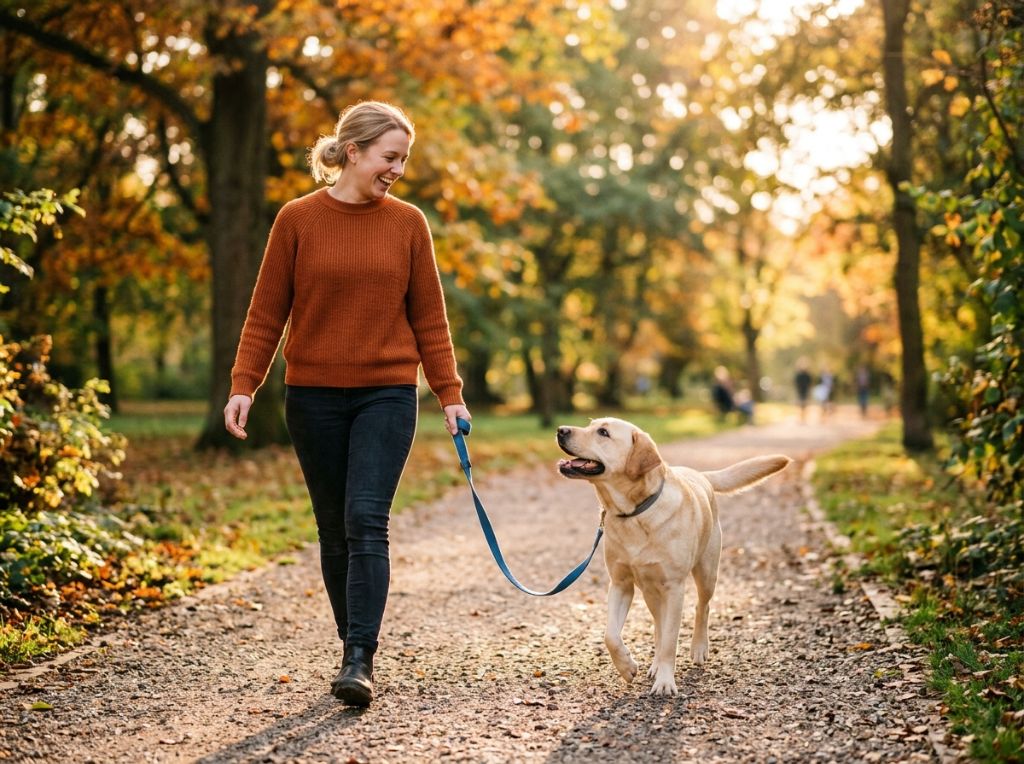
There is nothing quite like the dream of a peaceful morning stroll. You have your coffee in one hand, the leash in the other, and your dog is trotting happily by your side with a loose, J-shaped curve in the lead. But for many of us, the reality is more like a high-stakes wrestling match. Your arm is being yanked from its socket, your dog is wheezing as they strain against their collar, and the walk feels like a chore rather than a joy.
If you are tired of feeling like you are being dragged through the neighborhood by a four-legged freight train, you are not alone. Leash pulling is one of the most common complaints among pet owners. The good news? You can transform your walks in just 14 days by focusing on connection rather than force. By understanding how to how to stop your dog from pulling on the leash through consistent, positive reinforcement, you can regain control and enjoy your time together.
Why Do Dogs Pull in the First Place?
Before we dive into the schedule, we have to understand the 'why.' Dogs pull for a few simple reasons. First, they walk much faster than we do. Their natural cruising speed is about twice ours. Second, the world is incredibly exciting! There are smells to investigate, squirrels to chase, and other dogs to meet.
🐶 Unlock Your Dog's Hidden Intelligence!
Transform your dog's behavior with **Brain Training for Dogs** – a proven, science-based training system that enhances your dog's intelligence and obedience.
🐾 Get Started Today →Perhaps the most important factor is the 'opposition reflex.' This is a physical instinct in dogs that causes them to pull against pressure. If you pull back on the leash, their body naturally leans forward to maintain balance. To stop the pulling, we have to stop the tug-of-war. We also need to address the underlying mental state. Often, a dog that pulls is a dog that is mentally under-stimulated, looking for any way to burn off excess energy.
Step 1: Gathering Your Gear
Before you start your 14-day journey, you need the right tools. Avoid retractable leashes, which actually teach dogs that pulling harder gives them more freedom. Instead, opt for a standard 6-foot nylon or leather lead. For the harness, a front-clip design is often the best choice for training because it gently redirects the dog’s momentum back toward you if they try to bolt ahead.
When choosing the right dog training collar, make sure it is fitted correctly to ensure safety without causing discomfort. You will also need high-value treats—think tiny pieces of boiled chicken or cheese—that your dog rarely gets. We want you to be the most interesting thing in the environment.
The 14-Day Loose Leash Blueprint
Days 1-3: The 'Follow Me' Game (Indoors)
Most owners make the mistake of starting training in the middle of a busy park. This is like trying to learn calculus in the middle of a rock concert. For the first three days, we stay inside where distractions are zero.
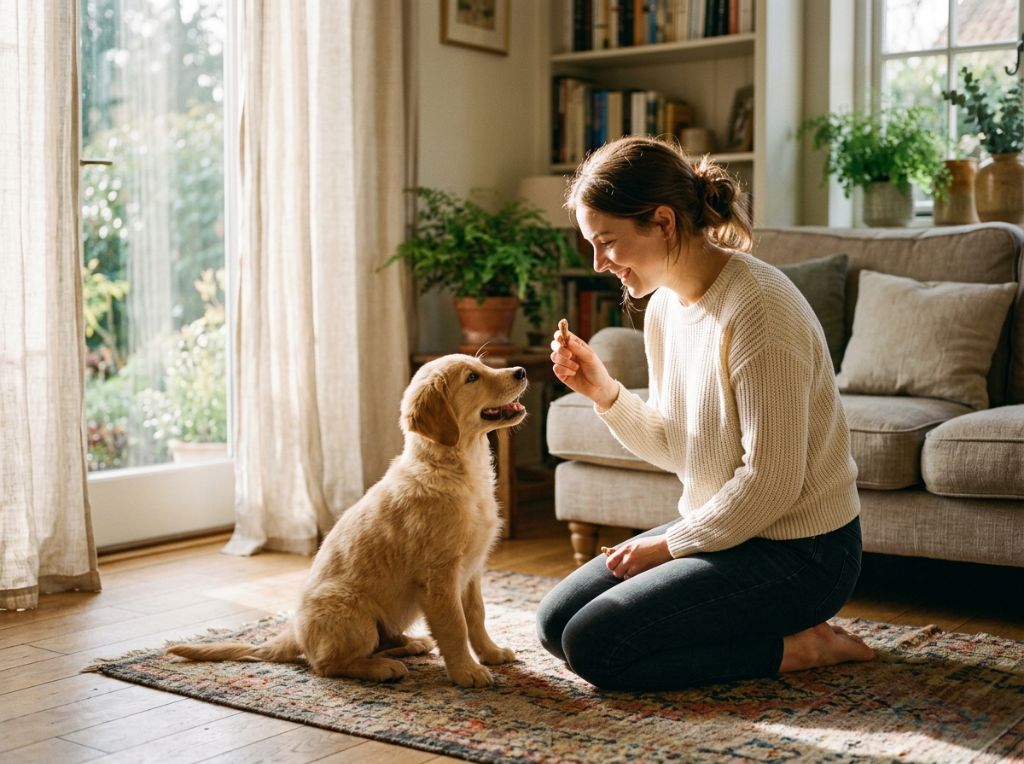
Walk around your living room without a leash. Every time your dog happens to walk beside you, click (if you use a clicker) or say 'Yes!' and give a treat. If they move ahead, simply change direction. You are teaching them that being near your leg is the most rewarding place on earth. Once they are consistently following you, clip on the leash and practice 'heel' positioning in the hallway.
Days 4-7: The 'Penalty Box' and Backyard Work
Now, move to a slightly more distracting environment like your backyard or driveway. Start walking. The moment the leash becomes tight, stop dead in your tracks. Don’t yank; just become a statue. Wait for your dog to look back at you or step toward you to slacken the leash. The moment it goes loose, say 'Yes!' and resume the walk.
In this phase, it is also helpful to ensure your dog has mastered the basics. If they understand how to teach your dog to sit, stay, and come, they will have the impulse control needed to handle the excitement of the outdoors. Consistency here is vital; if you let them pull even once, you are reinforcing the behavior.
The Secret Ingredient: Mental Engagement
By day 8, you might notice progress, but your dog still gets 'the zoomies' or loses focus when a bird flies by. This is where most traditional training fails because it ignores the dog’s brain. A dog that is mentally tired is much more likely to walk calmly. This is why many professional trainers recommend incorporating 'brain games' into your daily routine.
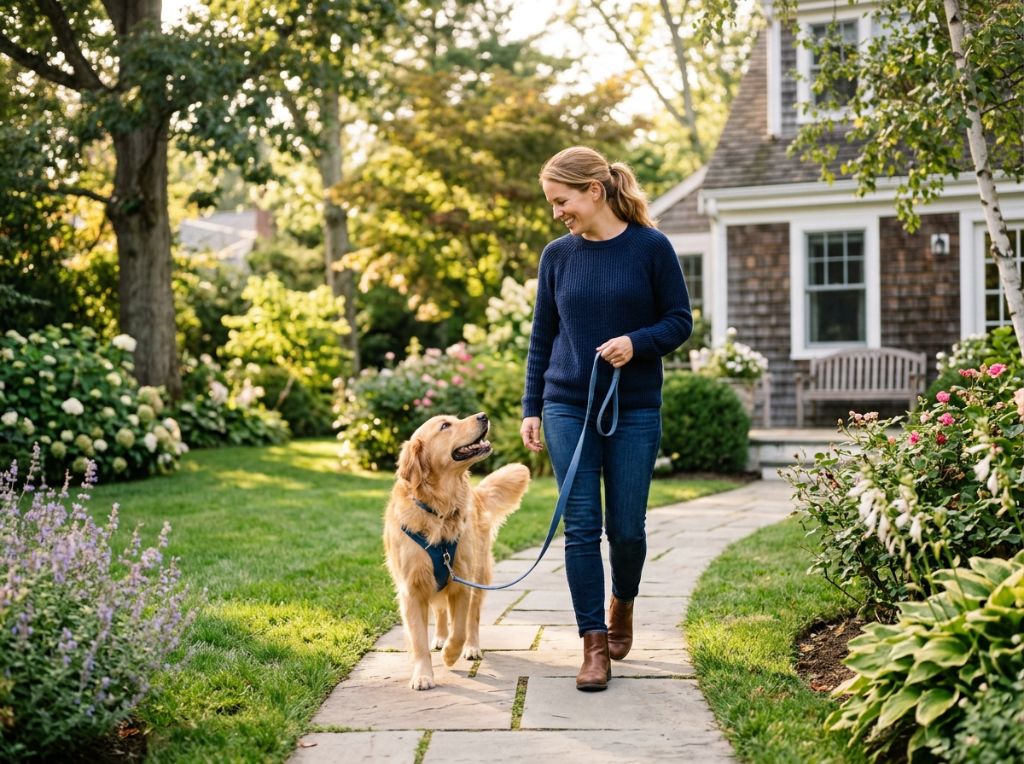
If you feel like your dog is too 'smart for their own good' and gets bored with standard drills, you might need to look into advanced mental stimulation. Reading a Brain Training for Dogs review can show you how tapping into their hidden intelligence can solve behavioral issues like leash pulling faster than physical training alone.
Days 8-11: Introducing Low-Distraction Sidewalks
Now we take the show on the road. Keep your sessions short—no more than 10 or 15 minutes. Use the 'Red Light, Green Light' method.
- Green Light: The leash is loose; you walk forward.
- Red Light: The leash is tight; you stop.
If your dog is particularly stubborn or high-energy, don't get frustrated. Often, what we perceive as 'naughty' behavior is simply a result of a dog not knowing how to process the overwhelming sensory input of the world. As we discuss in our guide on Why Your ‘Naughty’ Dog Is Actually Just Bored, providing a mental outlet can drastically reduce frustration for both ends of the leash.
Days 12-14: Generalizing the Behavior
In the final days, your goal is to practice in various locations. Take your dog to a local park or a different street. The 'newness' will challenge their focus. Continue rewarding the loose leash heavily. At this stage, you can start using 'life rewards.' For example, if your dog wants to sniff a certain tree, only allow them to approach it if the leash stays loose. The sniff becomes the reward for good walking.
Common Mistakes to Avoid
- Inconsistency: If you let your dog pull when you're in a hurry but try to train them when you have time, they will be confused. Every walk is a training session.
- Holding the Leash Too Tight: Many owners keep a 'death grip' on the lead. This creates tension that the dog feels, making them more anxious or likely to pull. Keep your arm relaxed.
- Lack of High-Value Treats: Kibble usually won't cut it when there's a squirrel nearby. Use the 'good stuff' for leash training.
For more advanced techniques, organizations like the American Kennel Club (https://www.akc.org) provide excellent resources on canine body language and positive reinforcement milestones.
Frequently Asked Questions
Q: How long should training sessions be?
Keep them short! 5-10 minutes of focused training several times a day is much more effective than one long, grueling hour. Dogs have short attention spans, especially when learning something as difficult as self-control.
🐕 Transform Your Dog’s Life Today!
Imagine a world where your dog listens, learns quickly, and behaves perfectly! With **Brain Training for Dogs**, you’ll experience a joyful, well-trained pet in no time!
🌟 Begin the Transformation →Q: My dog is a 'power-puller.' Will this still work?
Yes, but you may need a front-clip harness to help manage their physical strength while you work on the mental side of the training. Focus heavily on indoor work for the first week to build a strong foundation.
Q: What if my dog refuses to move when I stop?
If your dog 'anchors' or refuses to engage when you stop, use a happy voice and a pat on your leg to encourage them back to your side. The goal is to make walking with you more fun than anything else.
Conclusion
Training your dog to walk on a loose leash in two weeks is an achievable goal if you commit to consistency and patience. Remember that walking is a skill that requires both physical practice and mental focus. By rewarding the behavior you want and gently showing your dog that pulling gets them nowhere, you are building a partnership based on trust rather than tugging.
If you find that your dog is still struggling to focus, it might be time to look deeper into their cognitive needs. Engaging their brain can be the 'missing link' that turns a chaotic walk into a peaceful journey. Start today, stay patient, and enjoy the process of learning together.
🐾 Say Goodbye to Bad Behavior!
Tired of your dog's stubborn habits? Discover a **fun and easy** brain training system that turns any dog into a well-behaved genius in just a few weeks!
🐶 Start Training Now →