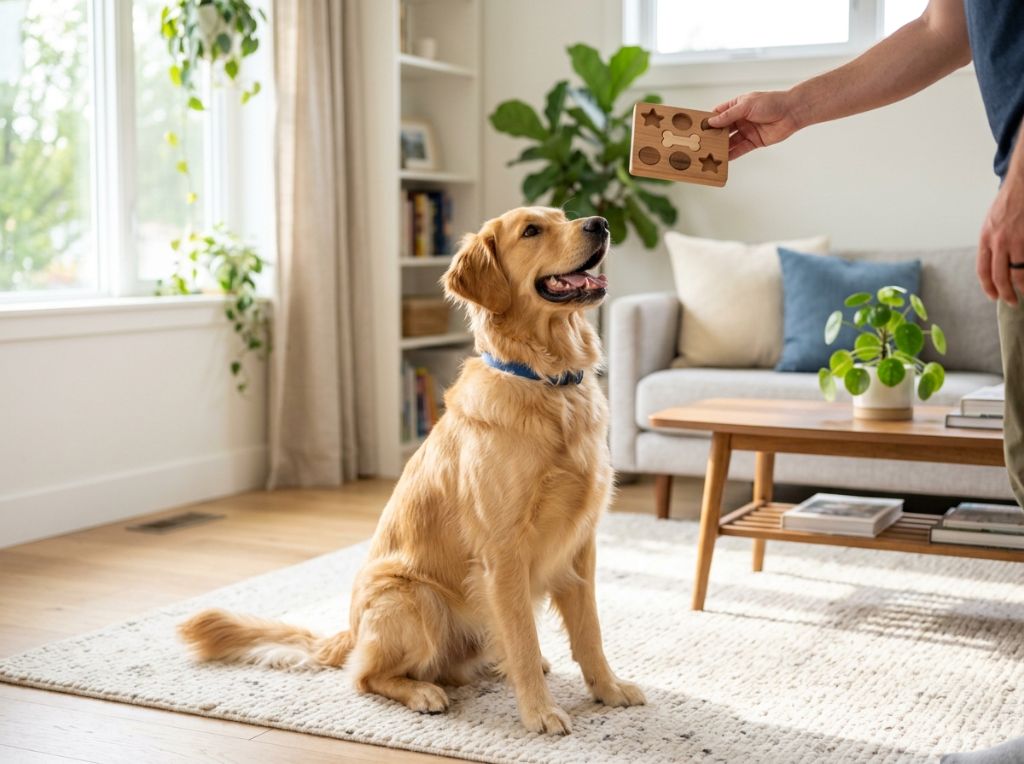
You love your dog. You really do. But there are those moments—maybe it’s the third time they’ve barked at the mailman today, or the way they seem to completely forget their name the second you step outside—where you feel a little bit defeated. You’ve tried the treats, the stern voices, and maybe even a local trainer, but the underlying "naughtiness" persists.
I’ve been there. That feeling of being at the end of your tether is common among dog owners. We often think our dogs are just "stubborn" or "not that bright," but what if the issue isn't their personality? What if the issue is a lack of mental engagement?
This is the core premise of Brain Training for Dogs, a popular online program created by professional trainer Adrienne Farricelli. In this review, we’re going to peel back the curtain on this system to see if it actually delivers on its promise of a smarter, better-behaved companion.
🐶 Unlock Your Dog's Hidden Intelligence!
Transform your dog's behavior with **Brain Training for Dogs** – a proven, science-based training system that enhances your dog's intelligence and obedience.
🐾 Get Started Today →Who Is Adrienne Farricelli?
Before diving into the curriculum, it’s important to know who is teaching you. Adrienne Farricelli is a CPDT-KA certified dog trainer with over a decade of experience. Her work has been featured in major publications like USA Today and Everyday Health.
Unlike many "celebrity" trainers who rely on dominance-based methods, Adrienne uses force-free, positive reinforcement techniques. Her philosophy is built on the idea of neuroplasticity—the concept that a dog’s brain is capable of learning and changing throughout their entire life, provided they are given the right stimuli.
What Exactly is Brain Training for Dogs?
At its heart, this isn't just a "how to sit" manual. It’s a comprehensive library of games designed to increase your dog’s intelligence and problem-solving skills. The theory is simple: when a dog is mentally tired and engaged, they are less likely to engage in destructive, anxiety-driven behaviors like excessive barking, digging, or chewing.
According to the American Kennel Club, mental stimulation is just as important as physical exercise for a dog’s well-being. This course takes that scientific fact and turns it into an actionable roadmap.
How the Program is Structured
The course is organized like a school system, moving from simple tasks to complex challenges. This "leveled" approach ensures you don't overwhelm your dog (or yourself) right out of the gate.
1. Preschool
This is the foundation. You’ll work on basic engagement exercises like "Target Train," which teaches your dog to focus on you. It sounds simple, but getting a distracted dog to lock eyes with you is the first step to solving almost any behavioral issue.
2. Kindergarten
Here, the games get a little more physical. You’ll work on impulse control. If your dog jumps on guests or lunges at the leash, these games are where you’ll start to see the first signs of a "thinker" rather than a "reactor."
3. First Grade
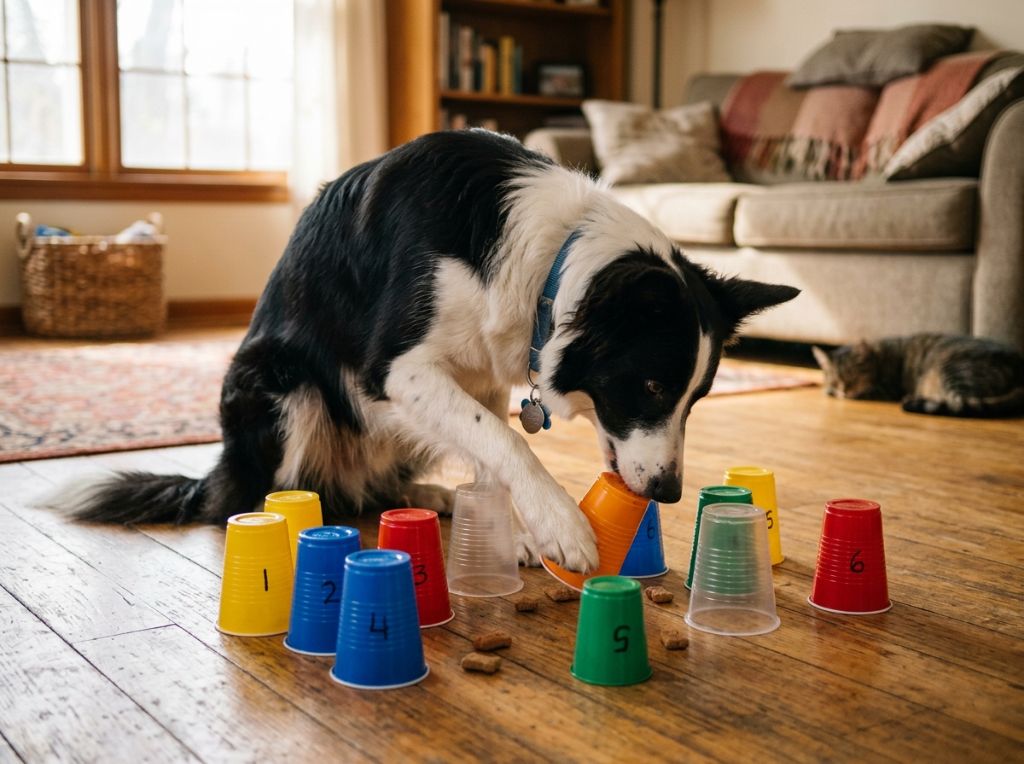
This level introduces more complex problem-solving. One of my favorite games here is "The Muffin Tin Game," which requires the dog to figure out how to retrieve treats hidden under tennis balls. It’s fascinating to watch their gears turn.
4. Senior High School
This is where the mental heavy lifting begins. You’ll work on "mental agility." These games help calm down high-energy breeds that usually have a hard time settling down after a walk.
5. College
By this stage, your dog is developing true concentration. You’ll work on scent work and identifying specific toys by name. It’s a great way to bond and see just how much your dog is capable of.
6. University
This level focuses on advanced coordination and patience. The games here are designed to make your dog more observant and responsive to subtle cues.
7. Graduation
This is the "Genius" level. You’ll be teaching your dog advanced tricks like picking up their toys and putting them in a basket—a practical skill that actually helps keep your living room tidy!
The Pros: Why People Love It
- Force-Free Methods: There is zero use of fear, pain, or intimidation. Everything is built on rewards and fun.
- Affordability: Private trainers can cost $100+ per hour. This program gives you a lifetime of material for a fraction of that cost.
- Comprehensive: Beyond the games, the member's area includes a massive archive of articles covering specific behavior problems like aggression, potty training, and separation anxiety.
- Community: You get access to a forum where you can ask Adrienne questions directly and share progress with other owners.
The Cons: What to Consider
- It Requires Your Time: This isn't a magic wand. You need to spend at least 10–15 minutes a day playing these games with your dog.
- Online Only: If you prefer in-person instruction, an online course might feel a little disconnected. However, the videos are very clear.
- Platform Design: The website interface feels a bit dated. It’s functional and easy to navigate, but it’s not as "slick" as modern apps like Masterclass.
Is It Worth It?
If you are looking for a quick fix that requires no effort on your part, no program will work for you. But if you’re willing to spend a few minutes a day engaging with your dog in a way that challenges their mind, the results can be truly startling.
Most behavioral issues stem from boredom and a lack of clear communication. Brain Training for Dogs bridges that gap. It turns "training" into "playing," which makes it something both you and your dog will look forward to.
🐕 Transform Your Dog’s Life Today!
Imagine a world where your dog listens, learns quickly, and behaves perfectly! With **Brain Training for Dogs**, you’ll experience a joyful, well-trained pet in no time!
🌟 Begin the Transformation →Frequently Asked Questions
1. Does my dog need to be a certain age?
No! Whether you have a 12-week-old puppy or a 10-year-old senior, neuroplasticity works at all ages. Older dogs especially benefit from these games as it keeps their minds sharp.
2. What equipment do I need?
Most of the games use everyday household items—muffin tins, tennis balls, plastic bottles, and old rugs. You don't need to spend a fortune on fancy gear.
3. How long does it take to see results?
Many owners notice a change in engagement levels within the first week. For more deep-seated behavioral issues, it may take a few weeks of consistent play to see a permanent shift.
4. Is there a money-back guarantee?
Yes, the program comes with a 60-day money-back guarantee, which makes it a very low-risk investment for your dog’s future.
Conclusion
At the end of the day, a bored dog is often a "bad" dog. By tapping into their natural intelligence, you’re not just stopping them from chewing the couch; you’re giving them a sense of purpose and a deeper connection with you.
Brain Training for Dogs is an excellent, science-backed resource for anyone who wants a more harmonious household. It’s practical, affordable, and most importantly, it’s a lot of fun for your four-legged friend.
If you’re ready to see what your dog is truly capable of, this is the perfect place to start.
🐾 Say Goodbye to Bad Behavior!
Tired of your dog's stubborn habits? Discover a **fun and easy** brain training system that turns any dog into a well-behaved genius in just a few weeks!
🐶 Start Training Now →