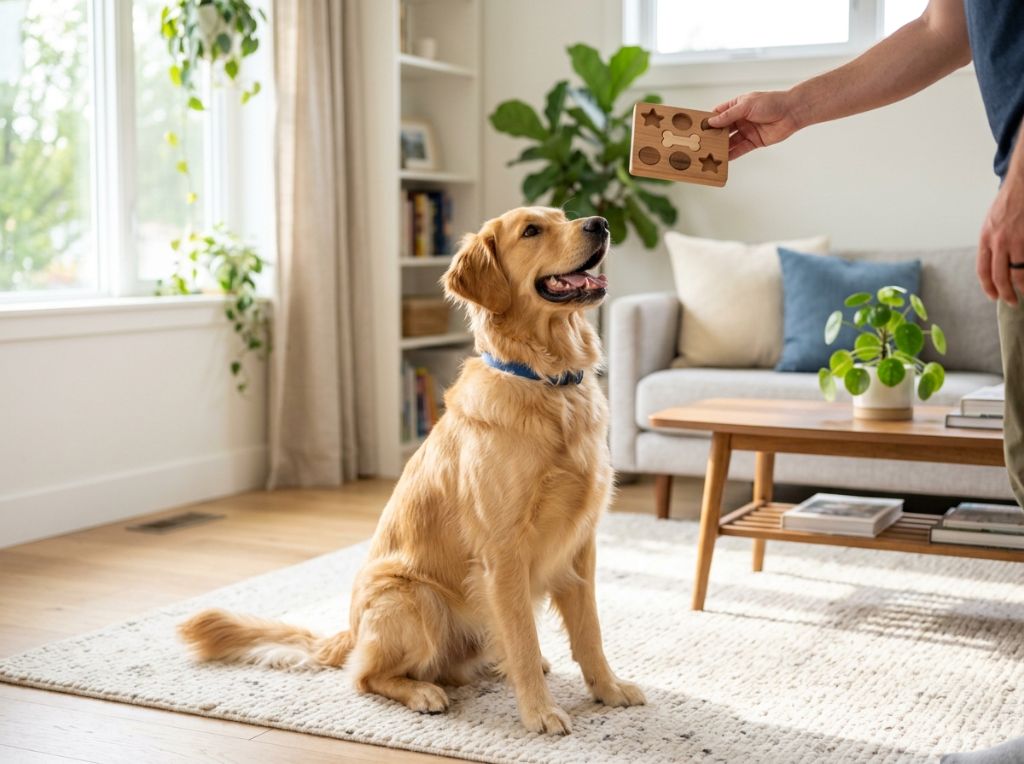
You’ve probably been there: you just finished a long walk, played a game of fetch in the backyard, and yet, five minutes after stepping back inside, your dog is pacing, whining, or eyeing your favorite pair of leather shoes like they’re a gourmet snack. It’s a common frustration for dog owners. We focus so much on physical exercise that we often forget our dogs have high-powered brains that need a workout just as much as their legs do.
In the world of online dog training, one program has consistently stayed at the top of the conversation: Brain Training for Dogs by Adrienne Farricelli. But does it actually work? Can you really “train away” bad behaviors by playing games? As a professional trainer and pet advocate, I’ve taken a deep dive into the science and the structure of this program to see if it lives up to the hype.
The Science of the Canine Mind
To understand if brain training works, we first have to understand canine neuroplasticity. Just like humans, a dog’s brain is capable of changing and learning throughout their entire life. When a dog is challenged mentally, their brain develops new neural pathways. This is why a dog who is “bored” often becomes “destructive.” Without a constructive outlet for their intelligence, they will find their own—usually by digging up your garden or barking at the mailman.
🐶 Unlock Your Dog's Hidden Intelligence!
Transform your dog's behavior with **Brain Training for Dogs** – a proven, science-based training system that enhances your dog's intelligence and obedience.
🐾 Get Started Today →Research has shown that mental stimulation can significantly reduce stress and anxiety in dogs. According to the American Kennel Club, mental enrichment is just as vital as physical activity for a well-rounded pet. By engaging their problem-solving skills, you aren’t just teaching them tricks; you are literally making them calmer and more manageable.
What is Brain Training for Dogs?
Brain Training for Dogs is an online course developed by Adrienne Farricelli, a CPDT-KA certified trainer with over a decade of experience. The core philosophy of the program is simple: address the root cause of problem behaviors (boredom and lack of communication) rather than just treating the symptoms.
Unlike traditional obedience schools that might rely on harsh corrections or repetitive “sit/stay” drills, this program uses force-free, positive reinforcement techniques. It’s designed to be a journey through several levels, starting from “Preschool” and working up to “Einstein” level.
The Levels of Learning
- Preschool: Focuses on building a foundation of communication. You’ll learn how to get your dog’s attention and keep it.
- School: Moves into basic games like “Treasure Hunt” to build confidence.
- University: Focuses on impulse control and patience.
- Grad School: Develops advanced motor skills and coordination.
- Einstein: The peak of the program, where dogs learn to tidy up toys or even play the piano.
Why Mental Enrichment Beats Physical Exhaustion
Have you ever noticed that after a day at the dog park, your dog comes home physically tired but still seems “wired”? That’s because physical exercise increases stamina. If you only run your dog, you’re just building a more athletic, bored dog.
Mental exercise, on the other hand, wears them out in a completely different way. Ten minutes of intensive brain games can be more exhausting for a dog than a thirty-minute run. This is the secret sauce behind the Brain Training for Dogs program. It targets the mental energy that physical walks often leave untouched.
Does it Solve Specific Behavioral Issues?
One of the most common questions is: “Will this stop my dog from barking at the window?” or “Will it help with leash pulling?”

The answer is a nuanced yes. While the program focuses on games, the byproduct of those games is a dog that is more focused on its owner. When a dog learns to solve a puzzle, they are learning impulse control. When they learn to look to you for guidance during a game, they are more likely to look to you for guidance when a stranger walks past the house.
Addressing the “Root Cause”
Most bad behaviors stem from one of three things: fear, boredom, or a lack of understanding. By providing a structured way to play and learn, you are eliminating the boredom factor and strengthening the bond (understanding). Many users report that “nuisance” behaviors simply fade away as the dog becomes more satisfied with their daily mental output.
The Pros and Cons
The Pros
- Force-Free: No shock collars or physical punishments.
- Affordable: Compared to a private trainer, the cost is minimal.
- Comprehensive: Covers everything from basic obedience to advanced tricks.
- Lifetime Access: You can go at your own pace.
The Cons
- Requires Consistency: This isn’t a “magic pill.” You need to put in 10-15 minutes a day.
- Digital Format: If you prefer in-person coaching, an online course might feel different at first.
Is It Worth It?
If you have a dog that seems restless, hyperactive, or just too smart for their own good, then yes, Brain Training for Dogs is an excellent investment. It’s not just about teaching them to play dead; it’s about giving them a job to do. Dogs are ancestral workers; they want to contribute and use their minds. When we give them that opportunity, they become the best versions of themselves.
Frequently Asked Questions
Q: What age is this best for?
It works for puppies as young as 7 weeks and senior dogs who need to keep their minds sharp to prevent cognitive decline.
Q: Do I need expensive equipment?
No. Most games use household items like muffin tins, tennis balls, and plastic bottles.
Q: How long does it take to see results?
Many owners see a change in their dog’s focus within the first week of consistent play.
🐕 Transform Your Dog’s Life Today!
Imagine a world where your dog listens, learns quickly, and behaves perfectly! With **Brain Training for Dogs**, you’ll experience a joyful, well-trained pet in no time!
🌟 Begin the Transformation →Q: Can this help with aggressive dogs?
While mental stimulation helps lower overall stress, we always recommend consulting a professional behaviorist for serious aggression issues. However, as a supplement to professional help, brain training can be incredibly beneficial.
Conclusion
In the end, does Brain Training for Dogs work? The consensus among professional trainers and satisfied owners is a resounding yes—provided you are willing to spend the time with your pet. It’s a beautiful way to deepen your bond and turn a chaotic household into a peaceful one. Your dog doesn’t want to be “bad”; they just want to be understood. Give their brain the workout it craves, and you’ll be amazed at the transformation.
🐾 Say Goodbye to Bad Behavior!
Tired of your dog's stubborn habits? Discover a **fun and easy** brain training system that turns any dog into a well-behaved genius in just a few weeks!
🐶 Start Training Now →