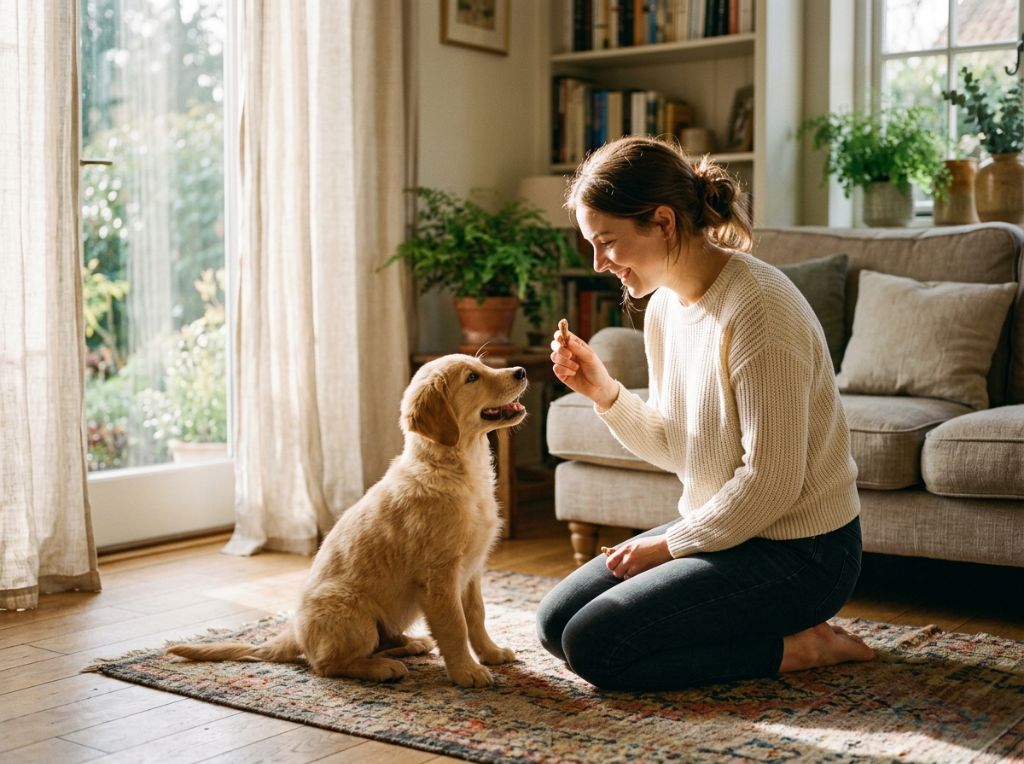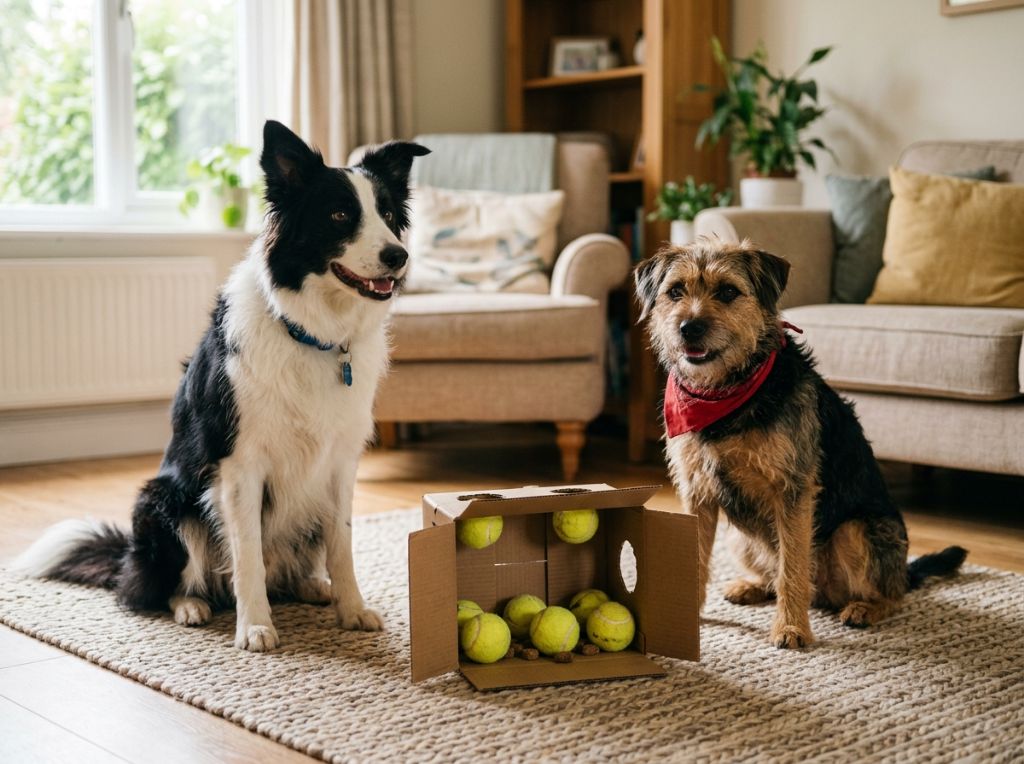
You’ve probably been there: your dog is staring at you with those relentless, soulful eyes while you’re trying to focus on a Zoom call. Or maybe you just got back from a three-mile walk, and instead of napping, your pup is pacing the living room looking for trouble. It’s a common frustration for many pet parents, but the truth is that a physically tired dog isn't always a satisfied dog. Just like us, dogs need mental challenges to feel truly settled. When we talk about problem-solving games for dogs, we aren't just talking about fancy tricks; we are talking about essential biological needs.
Many owners don't realize that why your dog’s ‘bad behavior’ is actually a boredom crisis (and the science-backed way to fix it) is often rooted in a lack of mental enrichment. Without a job to do, dogs will invent their own—usually involving your favorite shoes or the living room rug. Engaging your dog in problem-solving games tap into their natural instincts, helping to reduce anxiety and build a deeper bond between you both. The best part? You don’t need a huge budget or a closet full of expensive toys. You can start today using items already sitting in your recycling bin.
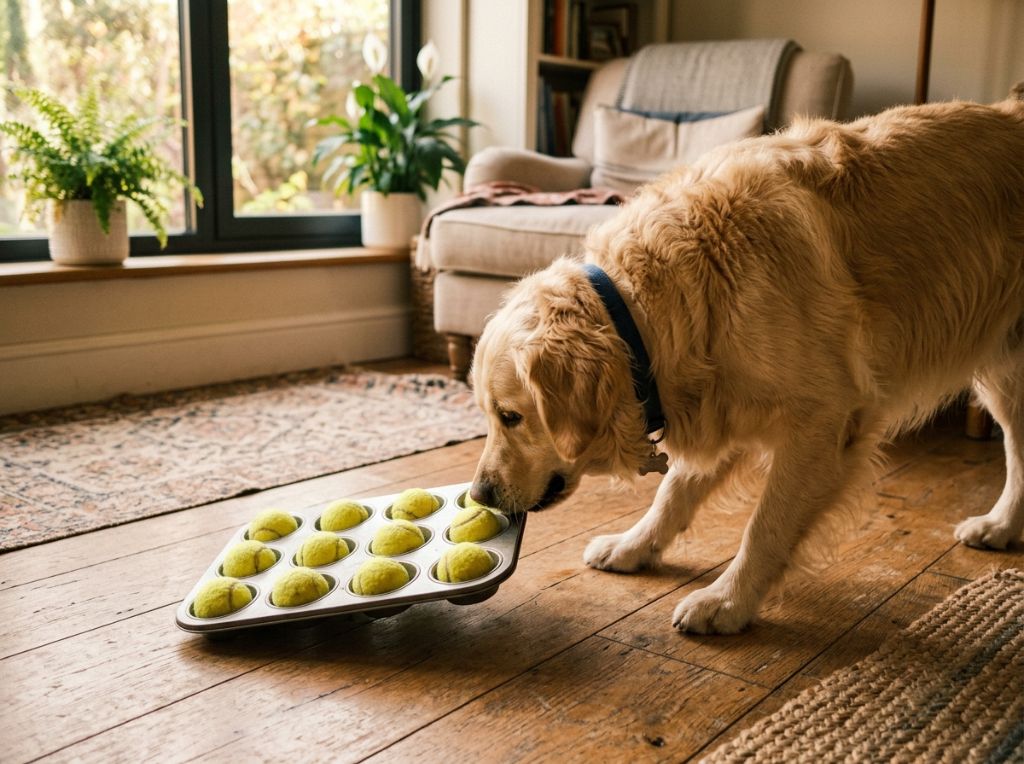
1. The Muffin Tin Puzzle
This is perhaps the simplest DIY game you can set up. All you need is a standard muffin tin and about a dozen tennis balls. Place a few high-value treats into several of the muffin holes, then cover every single hole with a tennis ball.
🐶 Unlock Your Dog's Hidden Intelligence!
Transform your dog's behavior with **Brain Training for Dogs** – a proven, science-based training system that enhances your dog's intelligence and obedience.
🐾 Get Started Today →Your dog will have to use their nose to detect which holes contain the treats and then figure out how to remove the balls to get to the prize. This encourages "nose work" and fine motor skills. If your dog is a pro, you can use larger balls or even heavy toys that are harder to nudge out of the way. It’s a great way to transition from beginner to genius: the best progressive dog puzzles for every iq level without spending a dime on specialized equipment.
2. The Towel Burrito
If you have an old beach towel or a bath towel you no longer use, you have a high-level brain game. Lay the towel flat on the floor and sprinkle a handful of dry kibble or treats across the surface. Slowly roll the towel up into a long cylinder, or "burrito."
For beginners, leave the roll loose. As your dog gets better at unrolling it with their nose and paws, you can roll it tighter or even tie a loose knot in the middle. This activity is excellent for slowing down fast eaters and keeping a dog occupied for a good ten to fifteen minutes. It’s particularly useful for high-intensity breeds, which is why your German Shepherd is bored: 5 mental workouts for high-energy dogs often include similar nose-based challenges.
3. The Cardboard Box Shred
Most people think of shredding as "bad behavior," but for many dogs, it’s a natural outlet for their predatory drive. You can turn this into a controlled problem-solving game. Take a few small cardboard boxes (like cereal boxes or shipping boxes) and nest them inside each other. Place treats in the innermost box.
Your dog will have to figure out how to open or tear through the outer layers to reach the core. Just make sure to remove any staples or excess plastic tape first. According to the American Kennel Club, providing safe outlets for natural behaviors like searching and tearing can significantly lower a dog's cortisol levels.
4. The Shell Game
This classic street magic trick is a fantastic way to test your dog’s focus and scent detection. Take three identical opaque cups (plastic ones work best) and one smelly treat. Show your dog the treat, place it under one cup, and then shuffle the cups around slowly while they watch.
Give them the command to "find it." They will likely use their nose to point to the correct cup. As they improve, you can shuffle faster or add more cups. This game builds impulse control, as they have to wait for you to finish moving the cups before they can claim their prize. If you find your dog is struggling with focus, you might want to read a Brain Training for Dogs review: is it worth your time and money? to see how structured programs can improve these specific cognitive skills.
5. The Bottle Spin Toy
This one requires a tiny bit of handiwork but is incredibly rewarding. Take an empty plastic soda bottle and poke two holes through the center (one on each side). Run a dowel or a piece of string through the holes and suspend it between two chairs or inside a sturdy frame. Drop some treats inside the bottle.
Your dog will have to use their paws or nose to flip the bottle upside down so the treats fall out. Because the bottle will naturally swing back to an upright position, it requires timing and persistence. This is a "mechanical" problem-solving game that keeps their brain engaged far longer than a simple treat-dispensing ball.
6. The "Find It" Scavenger Hunt
One of the best problem-solving games for dogs doesn't require any props at all—just their nose. Put your dog in a "stay" in another room. Hide small piles of kibble or smelly treats throughout the living room: behind a chair leg, on the bottom shelf of a coffee table, or under the edge of a rug.
Release your dog with the command "find it!" and let them work the room. This mimics the natural foraging behavior of wild canines. It’s a low-impact way to burn energy, making it perfect for rainy days or senior dogs who can't do long walks but still have sharp minds.
7. The Tennis Ball Treat Box
Take an old tennis ball and carefully cut a small slit along the seam (about an inch long). Squeeze the ball to open the slit and stuff it with a few pieces of jerky or kibble. Toss the ball to your dog.
Unlike a regular ball, they can smell the food inside but have to figure out that they need to compress the ball in just the right way to get the slit to open. It combines physical play with a mental puzzle. It’s much more engaging than a standard game of fetch and can keep a dog busy for quite some time.
Taking the Next Step in Canine Intelligence
While these DIY games are fantastic for daily enrichment, some dogs crave a more structured approach to learning. If you’ve noticed that your dog is exceptionally quick to solve these puzzles, or if you’re using these games to help manage anxiety or reactivity, you might benefit from a comprehensive curriculum designed by a professional.
🐕 Transform Your Dog’s Life Today!
Imagine a world where your dog listens, learns quickly, and behaves perfectly! With **Brain Training for Dogs**, you’ll experience a joyful, well-trained pet in no time!
🌟 Begin the Transformation →We often recommend a program that focuses on positive reinforcement and hidden intelligence rather than just obedience. This approach turns everyday life into a series of rewarding challenges that naturally improve behavior without the need for force.
Frequently Asked Questions
How often should I play problem-solving games with my dog?
Aim for at least 15 to 20 minutes of dedicated mental stimulation per day. You can break this up into two or three shorter sessions. Even a few minutes before you leave for work can help your dog feel more relaxed while you're gone.
Can older dogs play these games?
Absolutely! In fact, mental stimulation is vital for senior dogs to help stave off cognitive decline. Activities like the "Find It" scavenger hunt are low-impact and perfect for dogs with limited mobility.
What if my dog gets frustrated and gives up?
If your dog walks away, the puzzle might be too hard. Make it easier (e.g., don't roll the towel as tight) to ensure they get a "win." Success builds confidence, which encourages them to try harder puzzles in the future.
Are these games safe for puppies?
Yes, but always supervise them. Puppies are curious and may try to eat the cardboard or plastic. Keep the sessions short (5 minutes) to match their shorter attention spans.
Conclusion
Enriching your dog’s life doesn’t have to be complicated or expensive. By incorporating these 7 DIY problem-solving games for dogs into your weekly routine, you’re doing more than just curing boredom—you’re improving their mental health, reducing unwanted behaviors, and strengthening your friendship.
Remember, a dog that spends its day solving puzzles is a dog that is too tired to chew on your baseboards. Start with something simple like the Muffin Tin Puzzle today, and watch your dog’s confidence grow. If you're ready to see just how smart your pup can really be, consider looking into a structured brain training path to take their skills to the next level.
🐾 Say Goodbye to Bad Behavior!
Tired of your dog's stubborn habits? Discover a **fun and easy** brain training system that turns any dog into a well-behaved genius in just a few weeks!
🐶 Start Training Now →