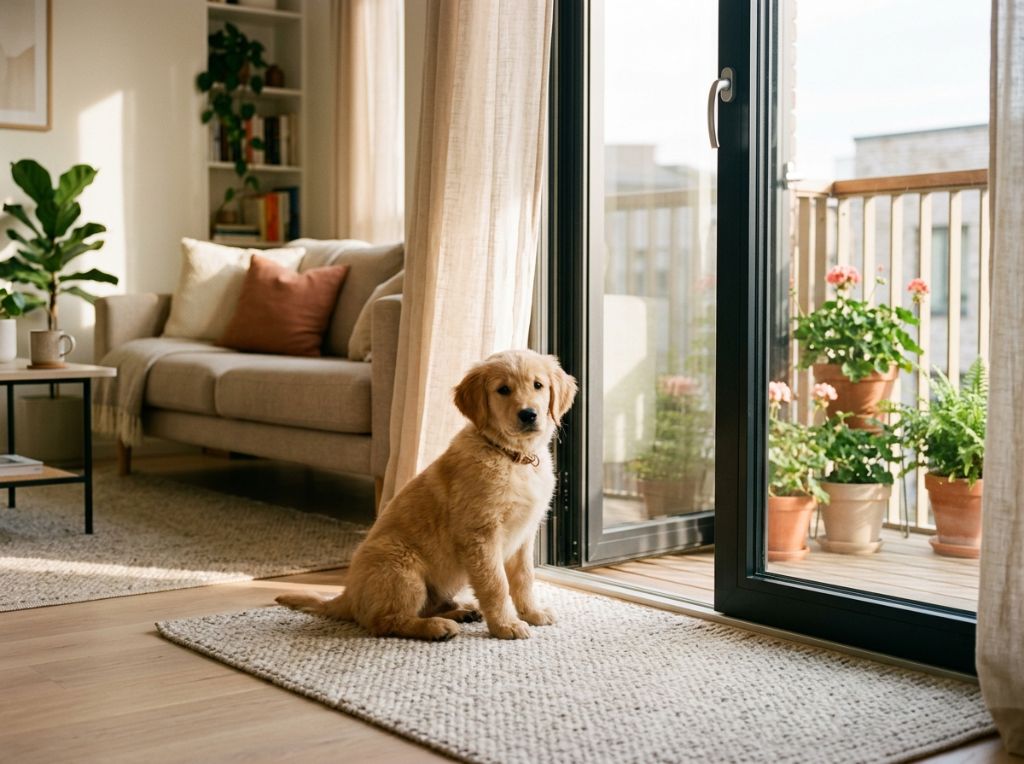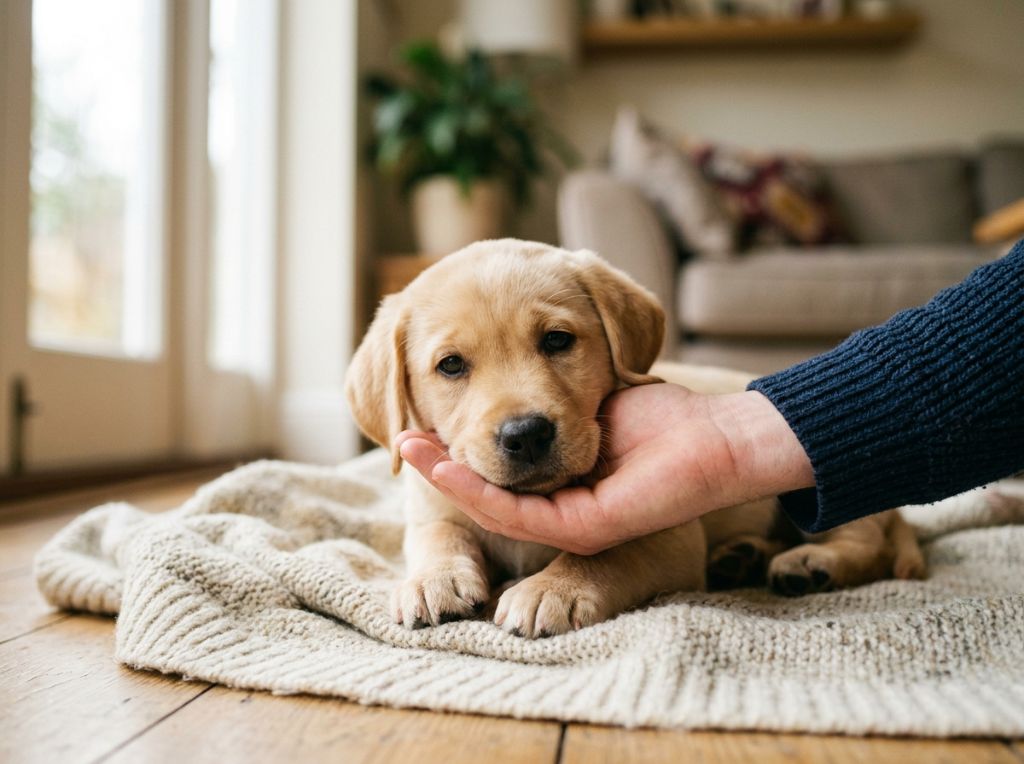
Bringing home a new puppy is a whirlwind of soft fur, sweet smells, and… sharp teeth. If you feel like you've invited a tiny, furry piranha into your home, you aren't alone. That 'land shark' phase is a universal rite of passage for puppy owners, but it can be incredibly taxing on your skin and your patience. Understanding why this happens and how to manage it without force is the key to building a lifelong bond of trust.
Why Do Puppies Bite? Understanding the 'Why'
Before we dive into the solutions, we have to look at the world through your puppy's eyes. Puppies don't have hands; they use their mouths to explore everything. Whether it’s your shoelaces, the corner of the rug, or your fingers, the mouth is their primary tool for sensory input.
In the litter, puppies bite each other constantly. This is how they learn the social rules of the canine world. When one puppy bites another too hard, the victim lets out a sharp yelp and stops playing. This teaches the biter that 'hard biting equals no more fun.' This natural feedback loop is the foundation of what trainers call 'bite inhibition.' If you're struggling with other mouth-related behaviors, you might also find our guide on stop puppy chewing: why punishment fails and what to do instead helpful for a broader perspective on oral habits.
🐶 Unlock Your Dog's Hidden Intelligence!
Transform your dog's behavior with **Brain Training for Dogs** – a proven, science-based training system that enhances your dog's intelligence and obedience.
🐾 Get Started Today →The Role of Teething
Just like human infants, puppies go through a painful teething process. Between 12 and 24 weeks of age, their deciduous (baby) teeth fall out to make room for 42 adult teeth. This causes significant gum discomfort, and pressure—specifically biting and chewing—provides temporary relief. Recognizing that your puppy is in physical discomfort can help you respond with empathy rather than frustration.
Step 1: Teaching Bite Inhibition
The goal isn't just to stop the biting immediately; it's to teach the puppy to have a 'soft mouth.' If a dog never learns bite inhibition as a puppy and accidentally nips someone as an adult, they can cause serious damage. By teaching them to control the pressure of their jaws now, you are creating a safer adult dog.
When your puppy nips you during play, let out a high-pitched 'Ouch!' or 'Yip!' as if you were a littermate. Your hand should go limp. Stop all interaction for about 10 to 15 seconds. If the puppy pauses, praise them calmly and resume play. If they immediately lunge again, it’s time for a 'reverse time-out.'
Step 2: The Reverse Time-Out
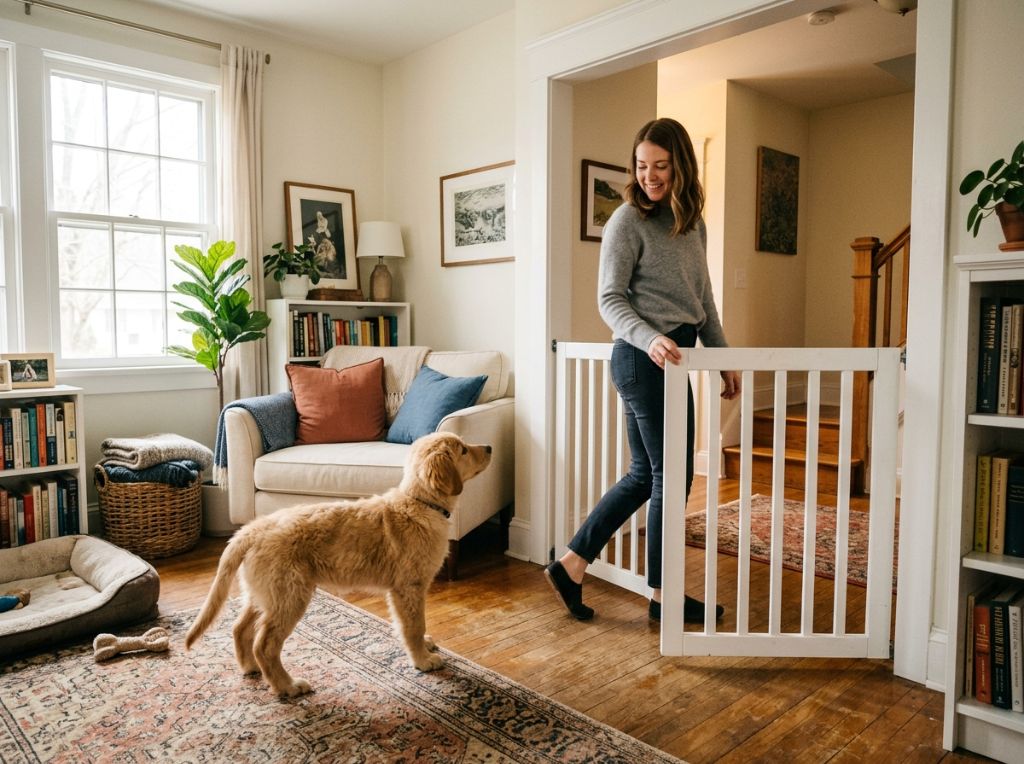
Most traditional advice suggests putting the puppy in a crate for a time-out. However, we want the crate to be a happy place. Instead, try a 'reverse time-out' where you are the one who leaves. Simply stand up and walk behind a baby gate or into another room for 30 seconds. This sends a clear message: 'When you bite me, the fun person disappears.' Puppies are social creatures, and the removal of your presence is a powerful, non-violent consequence.
Step 3: Redirection is Key
Always have a toy within arm's reach. The moment you see that 'wild eye' look or feel a nip, redirect their focus to an appropriate item. If they go for your hand, offer a soft plush toy or a rubber chew. Praise them enthusiastically when their teeth meet the toy instead of your skin. This teaches them what is okay to chew on. To ensure you're using the most effective approach, it's worth reviewing effective dog training techniques to keep your sessions consistent and rewarding.
The Missing Link: Mental Stimulation
Did you know that many puppies bite because they are mentally under-stimulated? A bored puppy is a destructive, nippy puppy. While physical exercise is important, it often just builds a more athletic 'land shark.' Mental exercise, however, tires a puppy out in a way that a walk never can.
When a puppy’s brain is engaged, they have less 'overflow' energy to put into nuisance behaviors like nipping at your heels. This is where structured mental games become a lifesaver for owners.
Step 4: Manage the Environment
If your puppy tends to nip at your ankles while you walk, keep a pull toy in your pocket. Drag it along the floor as you move, giving the puppy something appropriate to 'hunt' besides your slippers. If the behavior is particularly intense in the evenings (often called the 'zoomies'), it might be a sign that your puppy is actually over-tired. Much like a cranky toddler, an over-tired puppy loses their impulse control. At this point, a nap in a quiet space or crate is often the best solution.
When to Seek Professional Help
It is important to distinguish between normal puppy mouthing and true aggression. Normal biting is usually accompanied by a wagging tail, relaxed body language, and a 'play bow.' If your puppy is stiffening their body, growling intensely, or showing their teeth in a snarl, you may be dealing with resource guarding or fear-based reactivity. According to the American Kennel Club, early intervention is crucial for behavioral issues, so don't hesitate to contact a positive-reinforcement trainer if the biting feels 'off.'
Knowing the best age to start training a puppy can help you set realistic expectations for their development and avoid unnecessary stress during these formative months.
Why Your Puppy Might Be Biting More Than Others
Some breeds are naturally more 'mouthy' than others. Retrievers were bred to carry things in their mouths, and herding breeds were bred to nip at the heels of livestock. While the instincts vary, the solution remains the same: redirection and mental fulfillment.
If you find that your pup is constantly seeking trouble, it may be because they haven't learned how to use their 'hidden intelligence' to solve problems. By shifting their focus from 'biting for attention' to 'solving puzzles for rewards,' you can transform their behavior almost overnight.
Conclusion
Puppy biting is a temporary phase, but how you handle it now dictates the relationship you’ll have for the next ten to fifteen years. Avoid physical punishment like holding the snout shut or 'alpha rolls,' as these only teach your puppy to fear your hands—the very hands that should be providing comfort and care.
By being consistent, providing plenty of chew toys, and ensuring your puppy is mentally satisfied, you’ll find that the 'land shark' phase passes much faster than you expected. Stay patient, stay positive, and remember: every calm moment is a victory.
🐕 Transform Your Dog’s Life Today!
Imagine a world where your dog listens, learns quickly, and behaves perfectly! With **Brain Training for Dogs**, you’ll experience a joyful, well-trained pet in no time!
🌟 Begin the Transformation →Frequently Asked Questions
Q: When do puppies stop biting naturally?
Most puppies naturally decrease their biting behavior after their adult teeth have fully come in, usually around 6 to 7 months of age. However, consistent training is still required to ensure they don't carry the habit into adulthood.
Q: Should I hit my puppy's nose when they bite?
No. Physical punishment often makes biting worse because the puppy may think you are playing roughly back, or they may become fearful and bite out of defense. Positive redirection is far more effective.
Q: Why does my puppy bite my feet when I walk?
This is often a herding instinct or a desire for movement-based play. Keep a toy handy to redirect their focus to the toy rather than your moving feet.
Q: My puppy growls when biting. Is this aggression?
Most puppy growling during play is 'play-growling' and is perfectly normal. However, if the growling is accompanied by a stiff body or guarding an object, consult a professional.
🐾 Say Goodbye to Bad Behavior!
Tired of your dog's stubborn habits? Discover a **fun and easy** brain training system that turns any dog into a well-behaved genius in just a few weeks!
🐶 Start Training Now →