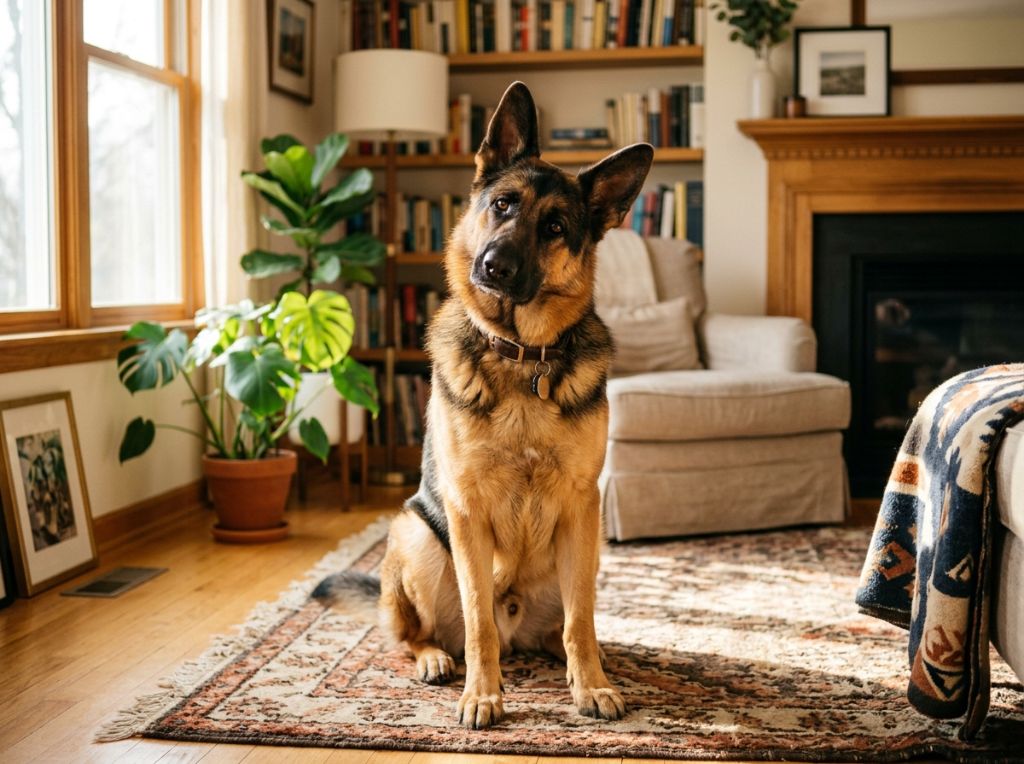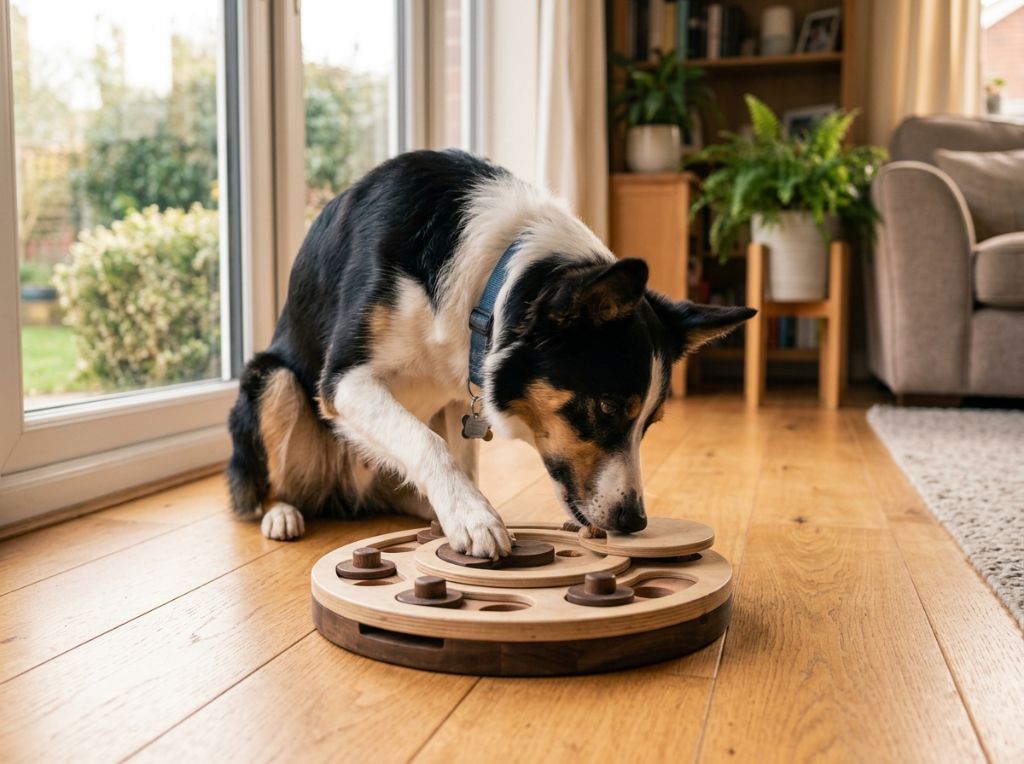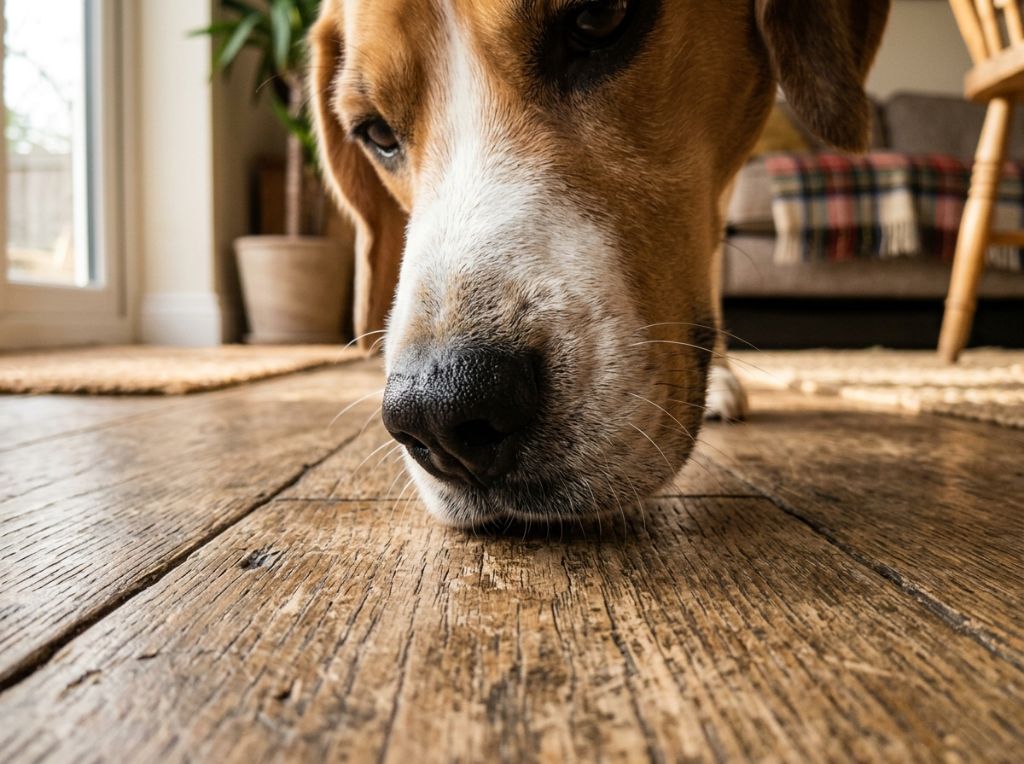
We have all been there. You just finished a long, two-mile walk with your dog, yet the moment you step inside, they are already pacing, whining, or looking for a shoe to chew. It is a common frustration for pet parents: physical exercise often is not enough. While we focus on tiring out their legs, we frequently overlook the most powerful tool in a dog’s arsenal—their nose. Nose work for dogs is arguably the simplest, most effective way to provide mental enrichment, yet it remains one of the most underutilized tools in the modern dog owner's kit.
Your dog lives in a world of smells. To them, a walk without sniffing is like us being forced to walk through an art gallery with a blindfold on. By tapping into this natural instinct, you can help your dog burn off excess energy, build confidence, and even settle down more easily at night. If you have noticed 5 signs your dog needs more mental stimulation, nose work is often the missing piece of the puzzle.
Why Your Dog’s Nose is a Superpower
To understand why nose work for dogs is so effective, we have to look at the biology. A human has roughly 5 million scent receptors. A Bloodhound has nearly 300 million. Furthermore, the part of a dog’s brain dedicated to analyzing smells is, proportionally, 40 times greater than ours. When a dog engages in scent work, they are using a massive portion of their brain power to process information. This level of focus is exhausting in the best possible way.
🐶 Unlock Your Dog's Hidden Intelligence!
Transform your dog's behavior with **Brain Training for Dogs** – a proven, science-based training system that enhances your dog's intelligence and obedience.
🐾 Get Started Today →Imagine trying to solve complex calculus problems while walking on a treadmill. You would be tired much faster than if you were just walking. That is what nose work does for your dog. It turns a simple activity into a high-intensity cognitive workout. This is especially helpful for high-energy breeds. For example, finding enrichment activities for Border Collies that don't involve a five-mile run can be a lifesaver for a busy owner.
The Mental Health Benefits of Scent Games
Beyond just tiring them out, nose work provides significant psychological benefits. For fearful or reactive dogs, scent games build confidence. When a dog successfully finds a hidden treat, they receive an immediate dopamine hit. They are solving problems independently, which translates to a more stable, self-assured temperament. This is a core concept explored in many professional systems, including the structured games found in the Brain Training for Dogs program, which focuses on unlocking a dog's hidden intelligence through positive reinforcement.
Additionally, nose work is inherently calming. The act of sniffing actually lowers a dog's pulse rate. If you are struggling with dog separation anxiety, introducing scent puzzles before you leave the house can help shift their brain from a state of panic to a state of focused problem-solving.
3 Simple Nose Work Games You Can Start Today
You do not need expensive equipment or professional certification to start nose work for dogs. You can begin in your living room with items you already have. Here are three beginner-friendly games to try.
1. The Muffin Tin Game
This is a classic introductory puzzle. Take a standard muffin tin and place small, high-value treats in a few of the holes. Then, cover all the holes (both empty and full) with tennis balls. Your dog must use their nose to determine which balls to move to get to the prize. This teaches them that their nose—not just their paws or mouth—is the key to solving the problem.
2. The "Find It" Scatter
This is the easiest way to turn mealtime into a workout. Instead of feeding your dog from a bowl, scatter their kibble across the grass in your backyard or across a rug inside. Command them to "Find it!" They will spend ten to fifteen minutes sniffing out every individual piece. This mimics natural foraging behavior and is a great way to turn food motivation into focus for breeds like Labradors.
3. The Box Search
Collect three to five empty cardboard boxes. While your dog is in another room, hide a treat in one of the boxes. Bring your dog in and encourage them to find the treat. As they get better, you can add more boxes, stack them, or hide them in different areas of the room. It is a wonderful way to introduce problem-solving games for dogs without any cleanup required.
Taking It Outside: The Sniffari
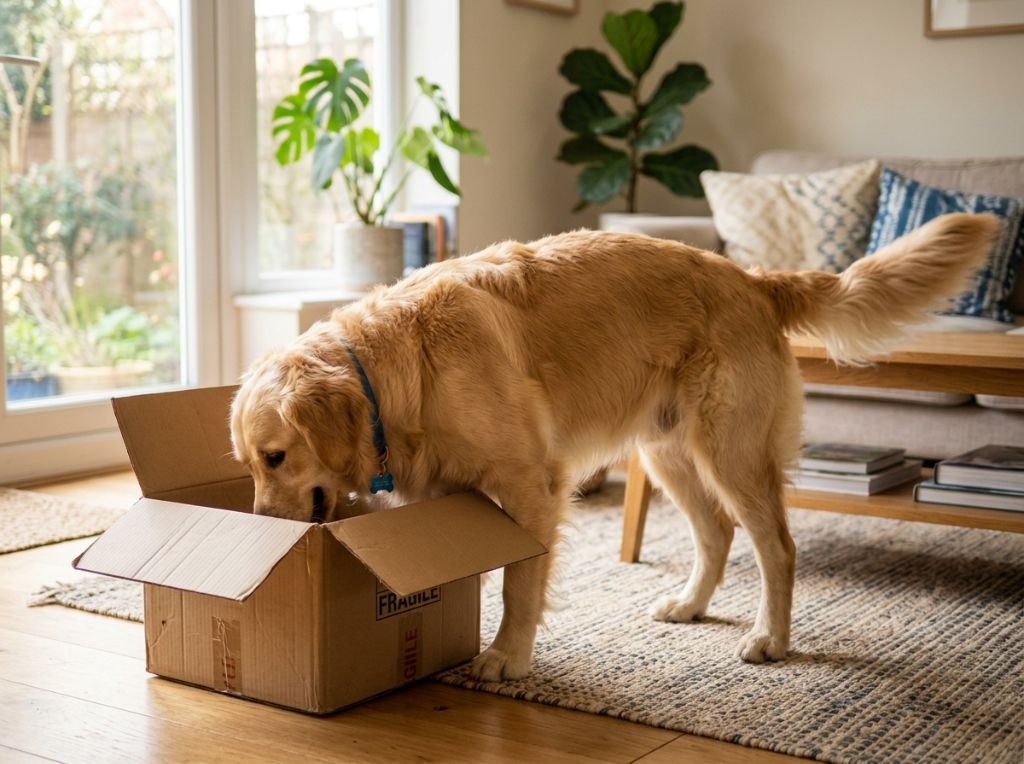
We often fall into the trap of thinking a walk is purely for physical exercise or for the dog to do their business. However, the most beneficial walk for a dog’s brain is a "Sniffari." This is a walk where the dog is in the lead, and they get to stop and sniff whatever they want for as long as they want.
While we might want to maintain a brisk pace to get our own steps in, allowing your dog ten minutes of intense sniffing is often more exhausting for them than thirty minutes of power walking. If you are worried about losing control during these outings, practicing how to walk on a loose leash can ensure that the Sniffari remains a pleasant experience for both of you.
Why Structure Matters in Brain Work
While DIY games are a fantastic starting point, many owners find that their dogs quickly master these simple tasks. To keep the mental benefits coming, you need to progressively challenge their intellect. This is where a structured approach becomes invaluable. For those looking to dive deeper, I often recommend checking out comprehensive resources like Brain Training for Dogs which provides a clear roadmap from basic scent work to complex problem-solving.
According to experts at the American Kennel Club, scent work is one of the fastest-growing canine sports because it is accessible to dogs of all ages and physical abilities. Even a senior dog with mobility issues can participate in nose work from a seated position, keeping their mind sharp even when their body slows down.
Common Nose Work Pitfalls to Avoid
To keep nose work for dogs fun and effective, avoid these three common mistakes:
- Moving Too Fast: If you hide the treat too well at the start, your dog may get frustrated and give up. Start with "easy wins" to build their motivation.
- Using Low-Value Treats: For nose work, you need something smelly! Think small pieces of dried liver, cheese, or chicken. The stronger the scent, the more engaged the dog will be.
- Overstaying the Session: Mental work is tiring. Limit early sessions to 5 or 10 minutes. Stop while the dog is still having fun so they are excited to play again next time.
Frequently Asked Questions
Can any breed do nose work?
Absolutely. While Hounds are the specialists, every dog from a Chihuahua to a Great Dane has a vastly superior sense of smell compared to humans. Nose work is an inclusive activity for all breeds and sizes.
How often should I do scent games with my dog?
Even five minutes a day can make a difference. Many owners find that a quick session after work helps their dog settle down for the evening more effectively than a long walk.
🐕 Transform Your Dog’s Life Today!
Imagine a world where your dog listens, learns quickly, and behaves perfectly! With **Brain Training for Dogs**, you’ll experience a joyful, well-trained pet in no time!
🌟 Begin the Transformation →Do I need to buy special scents like birch or anise?
For casual home enrichment, food is perfectly fine. Professional scent work competitions use essential oils, but you can see all the mental health benefits just by using their favorite treats.
Conclusion: Scent Your Way to a Calmer Dog
Nose work for dogs is the ultimate "lazy" training tool because it requires minimal effort from you but provides maximum benefit for your dog. By simply hiding a few treats or allowing a few extra minutes of sniffing on a walk, you are fulfilling a deep-seated biological need.
If you're ready to see just how smart your dog can be, don't stop at the nose. Engaging their entire brain can solve behavioral issues you never thought would go away. To start your journey toward a more harmonious life with your pet, consider a guided program that makes the process easy and fun.
🐾 Say Goodbye to Bad Behavior!
Tired of your dog's stubborn habits? Discover a **fun and easy** brain training system that turns any dog into a well-behaved genius in just a few weeks!
🐶 Start Training Now →