Have you ever walked into your living room to find your favorite pair of shoes reduced to a pile of leather confetti? Or perhaps your once-quiet companion has suddenly developed a penchant for barking at every passing leaf? It is easy to label these behaviors as 'naughty' or 'stubborn,' but often, our dogs are trying to tell us something much deeper. When a dog’s mental and emotional needs aren't met, they don't just get quiet; they get frustrated. Recognizing the common signs your dog is bored and unhappy is the first step toward transforming your relationship and restoring peace to your home. This isn't just about a lack of walks; it is about a lack of purpose. In this guide, we will explore the subtle (and not-so-subtle) red flags of canine boredom and provide a science-backed roadmap to bring the wag back to their tail.
How to Spot the Signs Your Dog Is Bored and Unhappy
Dogs are incredibly expressive creatures, but they lack the words to say, 'Hey, I’m feeling a bit unfulfilled today.' Instead, they communicate through their actions. One of the most prevalent indicators of a bored dog is destructive behavior. If your dog has started digging in the yard, chewing furniture, or raiding the trash, they aren't trying to spite you. They are simply looking for a way to burn off pent-up energy and provide themselves with some form of sensory input. It is important to remember that why your dog’s ‘bad behavior’ is actually a boredom crisis is rooted in their biological need for engagement.
Another major sign is excessive vocalization. If your dog is whining, barking, or howling more than usual—especially when you are home but not directly interacting with them—it is often a demand for attention. They have learned that a sharp bark gets a reaction, even if that reaction is you telling them to be quiet. To them, negative attention is still better than no attention at all. Understanding the root of these sounds is essential, and often, realizing that these 5 signs your dog needs more mental stimulation are pleas for help can change your training approach overnight.
🐶 Unlock Your Dog's Hidden Intelligence!
Transform your dog's behavior with **Brain Training for Dogs** – a proven, science-based training system that enhances your dog's intelligence and obedience.
🐾 Get Started Today →The Lethargy Trap: When 'Quiet' Means 'Sad'
Not every bored dog is a whirlwind of destruction. For some, the response to a lack of stimulation is to shut down. This is the 'unhappy' side of the boredom coin. You might notice your dog moping around the house, sleeping excessively (beyond the normal 12-14 hours for an adult dog), or showing zero interest in things they once loved, like a favorite ball or a car ride. This canine depression is often a result of chronic under-stimulation.
When a dog is consistently denied the opportunity to use their brain, they can fall into a state of 'learned helplessness.' They stop trying to engage because they’ve learned that nothing exciting ever happens. This is particularly common in high-intelligence breeds that were originally bred to work. If you find your dog is losing their spark, it might be time to investigate some problem-solving games for dogs to re-engage their cognitive functions.
Why Physical Exercise Is Only Half the Battle
Many well-meaning owners believe that a 30-minute walk twice a day is enough to keep a dog happy. While physical exercise is crucial for cardiovascular health, it does very little to tire out a dog's mind. Think of it like this: a marathon runner still needs a hobby or a job to stay mentally healthy. If you only provide physical outlets, you end up with a dog that is incredibly fit and still incredibly bored—a 'super athlete' with nothing to do. According to experts at the American Kennel Club, mental stimulation is just as exhausting as physical exertion, if not more so.
This is where many owners feel stuck. You might be working long hours or living in an apartment where a three-mile run isn't always feasible. The good news is that mental engagement can happen in small spaces and short timeframes. Transitioning from mindless exercise to 'brain work' is the key. Programs like Brain Training for Dogs specialize in this exact transition, using force-free methods to unlock a dog’s hidden intelligence.
The Boredom-Anxiety Loop
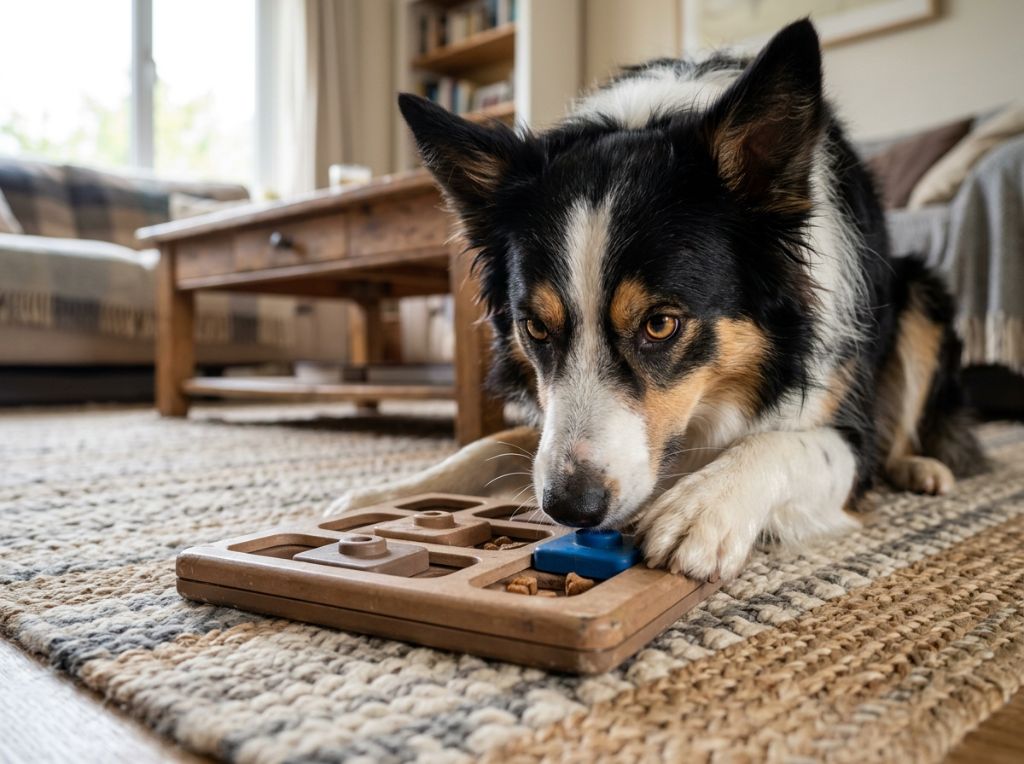
Boredom and anxiety are two sides of the same coin in the canine world. When a dog is bored, their cortisol levels (the stress hormone) can actually rise. Without a healthy outlet for their energy, that frustration often morphs into anxious behaviors like pacing, tail-chasing, or obsessive licking. Over time, a bored dog can become an anxious dog, making them much harder to train and live with.
If your pup is showing signs of restlessness, it is vital to intervene before it becomes a deep-seated habit. Even senior dogs aren't immune to this; in fact, as they slow down physically, their need for mental puzzles often increases. Many owners find that they can use neuroplasticity to revitalize their senior pet, proving that it is never too late to fix the boredom problem.
Actionable Solutions: How to Cure Canine Boredom
So, you’ve identified the signs your dog is bored and unhappy—now what? The solution is 'Enrichment.' This means adding complexity and choice to your dog's life. Here are three easy ways to start today:
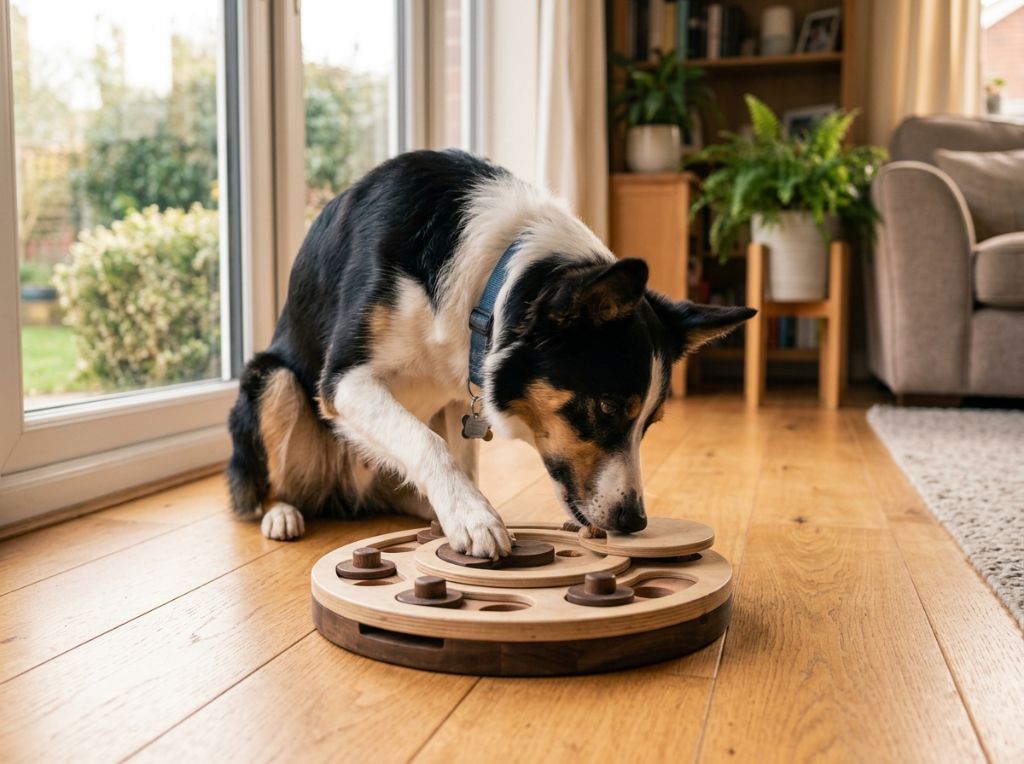
- Ditch the Food Bowl: Instead of letting your dog inhale their dinner in 30 seconds, put their kibble in a puzzle toy or scatter it in the grass for a 'sniffari.' This turns mealtime into a 20-minute mental workout.
- Training as Play: Spend 10 minutes a day teaching a new trick. It isn't about obedience; it is about the process of learning. This strengthens your bond and forces them to think critically.
- Scent Work: Hide high-value treats around your living room and tell your dog to 'find it.' A dog's nose is their primary way of interacting with the world, and using it is incredibly satisfying for them.
For those who want a structured path, I often recommend the Brain Training for Dogs system. It’s a comprehensive approach that moves beyond basic commands and into games that actually improve your dog's IQ. You can read more about my thoughts in this Brain Training for Dogs review to see if it’s the right fit for your home.
Frequently Asked Questions
Can a dog be bored even if they have lots of toys?
Yes. Toys become 'dead' objects once a dog has seen them for a few days. To keep them interesting, you should rotate toys—keep only three out at a time and swap them every week. Interactive toys that require the dog to 'solve' them are much better for boredom than simple plushies.
How much mental stimulation does a dog need daily?
While every breed is different, most dogs benefit from at least 15 to 30 minutes of focused mental work per day. This is in addition to their physical walks.
Is my dog bored or just lazy?
There is a fine line between a relaxed dog and a bored one. A relaxed dog is calm and content after activity. A bored dog is either destructive or shows a 'heavy' listlessness accompanied by a lack of interest in engagement. If they don't 'perk up' when you grab the leash or a treat, they may be unhappy.
Conclusion: A Happy Dog is a Busy Dog
Recognizing the signs your dog is bored and unhappy isn't a reason for guilt; it is an opportunity for growth. By shifting your focus from just 'walking the dog' to 'engaging the dog,' you are addressing their core biological needs. Whether you start with a DIY puzzle game or dive into a structured program like Brain Training for Dogs, the result will be the same: a calmer, more confident, and significantly happier companion. Your dog doesn't want much—just a chance to use the incredible brain they were born with. Start small, be consistent, and watch as those 'bad behaviors' disappear, replaced by a focused, joyful pup.
🐾 Say Goodbye to Bad Behavior!
Tired of your dog's stubborn habits? Discover a **fun and easy** brain training system that turns any dog into a well-behaved genius in just a few weeks!
🐶 Start Training Now →