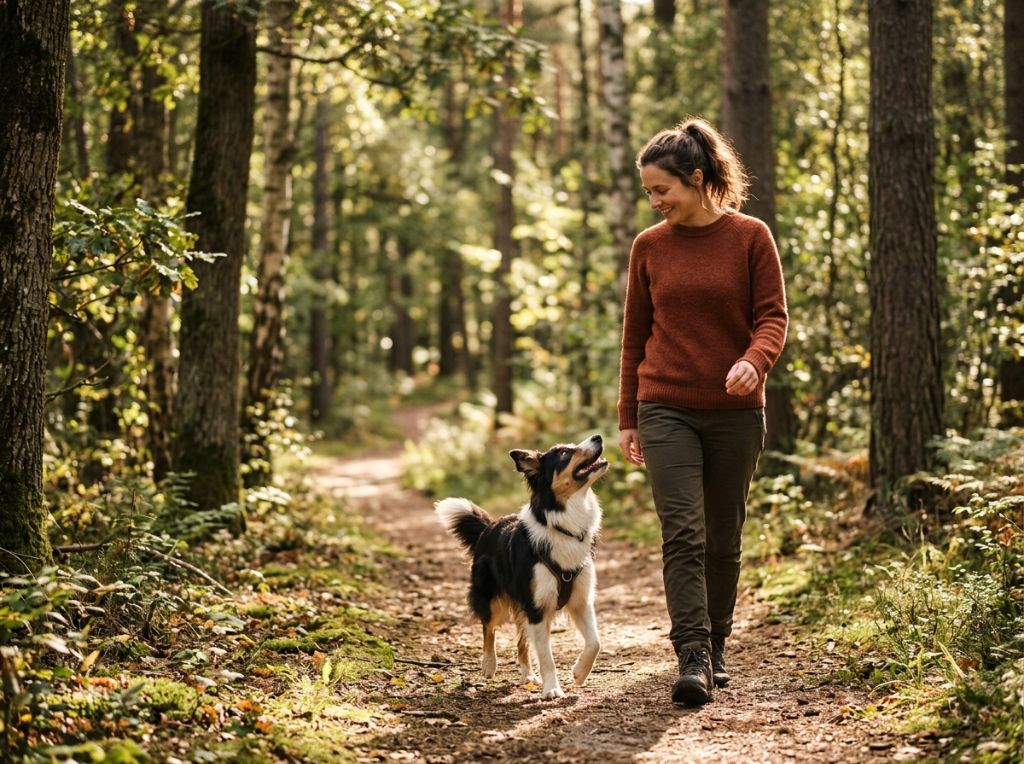
We have all been there: standing in a sun-drenched park, watching a neighbor’s dog trot happily by their side, no leash in sight, responding to every whisper. It feels like magic, doesn't it? For many of us, the reality involves a sore shoulder from leash pulling and a constant fear that if the buckle ever snapped, our furry best friend would be halfway to the next county before we could say 'stop.'
The dream of off-leash freedom is about more than just convenience; it is about a deep, intuitive bond where your dog chooses to stay with you because you are the most interesting thing in their world. But is off-leash training safe? And more importantly, is it right for your specific dog? Transitioning to off-leash life requires a blend of patience, the right tools, and a solid understanding of canine psychology.
Is Off-Leash Training Safe for Every Dog?
Before we dive into the 'how,' we must address the 'should.' Safety is the foundation of any off-leash adventure. While almost any dog can improve their recall, not every environment or every dog is suited for total freedom.
🐶 Unlock Your Dog's Hidden Intelligence!
Transform your dog's behavior with **Brain Training for Dogs** – a proven, science-based training system that enhances your dog's intelligence and obedience.
🐾 Get Started Today →According to experts at the American Kennel Club, certain breeds with high prey drives—like Sighthounds or Huskies—may find the impulse to chase a squirrel far more rewarding than any treat you have in your pocket. Before you start, you need to assess your dog’s current responsiveness. If you are still working on the basics, you might find it helpful to revisit how to teach your dog to sit, stay, and come in 7 days to ensure their foundation is rock solid before adding the complexity of an open field.
Local laws also play a massive role. Many municipalities have strict leash laws, and 'he’s friendly!' is not a legal defense if your dog approaches someone who is fearful or another dog that is reactive. Off-leash training should always begin in a controlled, legal environment.
The Prerequisites: Do You Have a Solid Foundation?
Off-leash training isn't actually about the leash; it’s about the connection. If your dog ignores you while they are three feet away on a lead, they certainly won't listen when they are thirty feet away chasing a butterfly.
To succeed, your dog needs to understand that you are the source of all things 'good.' This starts with engagement exercises. Many behavioral issues that prevent off-leash success actually stem from a lack of mental engagement. If your dog’s brain isn't being challenged, they will go looking for their own 'work' in the form of chasing cars or running after other dogs. This is why many owners have seen a massive shift in focus after exploring does Brain Training for Dogs actually work as a way to sharpen their pet's cognitive skills.
Essential Tools for the Transition
Don't just unclip the leash and hope for the best. That is a recipe for a panicked search and rescue mission. Instead, use these bridge tools:
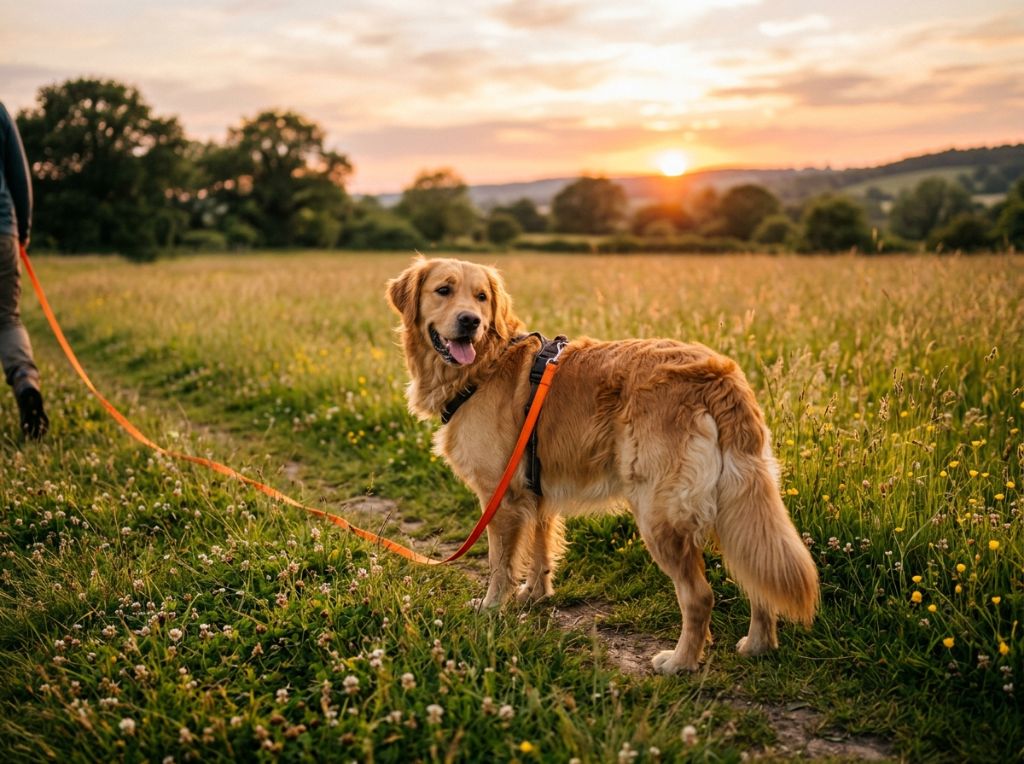
- The Long Line: A 15-to-30-foot training lead allows your dog to feel 'free' while you still have a physical safety net.
- High-Value Rewards: This is not the time for standard kibble. Use bits of roast chicken, cheese, or specialized treats.
- A Reliable Whistle: Sometimes your voice can fail or sound panicked. A whistle is a neutral, high-pitched signal that carries further than a shout.
Step 1: Mastering the 'Invisible Leash'
Start in your hallway or backyard. The goal is to get your dog to check in with you voluntarily. Every time your dog looks at you without being asked, mark that behavior with a 'Yes!' or a click and reward them. We want to build the habit of 'auto-check-ins.'
Once they are consistently looking to you for guidance, move to a quiet outdoor space using your long line. Let them sniff, but the moment they look back at you, reward them. You are teaching them that staying mentally connected to you is rewarding, regardless of the physical distance. This is the core of recall training that actually sticks when things get distracting.
Step 2: The Three D's of Training
To make off-leash training 'bomb-proof,' you must work through the Three D's:
- Distance: Gradually increase how far your dog can wander before you call them back.
- Duration: Ask them to maintain their focus on you for longer periods.
- Distraction: Start with a quiet park and slowly move toward areas with more smells, people, and eventually, other dogs.
If your dog fails at any step, don't punish them. Simply take a step back to a more controlled environment. Training is a ladder; you can't reach the top if the bottom rungs are broken.
Why Mental Stimulation is the Secret Ingredient
Most owners focus entirely on the physical aspect of training, but the dogs that excel off-leash are those that are mentally tired and satisfied. A bored dog is a wandering dog. By engaging your dog's 'hidden intelligence,' you create a pet that is more attentive and less likely to be distracted by every passing squirrel.
If you find that your dog is 'blowing you off' the moment they see a distraction, it might be time to look at their overall mental workout routine. Developing their problem-solving skills makes them more inclined to listen to commands because they are used to 'working' with you.
Common Mistakes to Avoid
One of the biggest errors is only calling your dog when it’s time to go home. If 'Come!' always means the fun is over and the leash is going back on, your dog will quickly learn to run the other way. Instead, call them back frequently, give them a high-value treat, and then say 'Go play!' to release them again. This keeps the recall positive.
Another mistake is practicing in un-fenced areas too early. Use dog park etiquette to find quiet times at local fenced parks where you can practice 'simulated' off-leash work before heading into the wild.
Conclusion: The Journey to Trust
Off-leash training isn't a destination; it’s a lifestyle built on mutual trust. It requires you to trust your dog’s training, and your dog to trust that you are their safest, happiest place to be. Take it slow, keep it positive, and never stop rewarding the small wins.
🐕 Transform Your Dog’s Life Today!
Imagine a world where your dog listens, learns quickly, and behaves perfectly! With **Brain Training for Dogs**, you’ll experience a joyful, well-trained pet in no time!
🌟 Begin the Transformation →If you’re ready to take that next step and want a structured way to improve your dog’s focus and obedience from the inside out, looking into a comprehensive mental engagement program can be the catalyst you need for that perfect, off-leleash trot.
Frequently Asked Questions
1. How long does it take to off-leash train a dog?
It varies by breed and temperament, but most dogs require 4–6 months of consistent, daily practice to be truly reliable in low-to-medium distraction environments.
2. Can older dogs learn to go off-leash?
Absolutely! While puppies are like sponges, older dogs often have better impulse control. As long as they are motivated and healthy, you can teach an old dog new recall skills.
3. What should I do if my dog runs away while off-leash?
Never chase them; most dogs think this is a game. Instead, run in the opposite direction while making high-pitched, excited noises. Most dogs will turn and chase you, allowing you to secure them once they reach you.
4. Is a GPS collar necessary?
While not 'necessary' for training, a GPS collar provides an incredible safety net and peace of mind for owners of dogs with high wandering instincts.
🐾 Say Goodbye to Bad Behavior!
Tired of your dog's stubborn habits? Discover a **fun and easy** brain training system that turns any dog into a well-behaved genius in just a few weeks!
🐶 Start Training Now →