
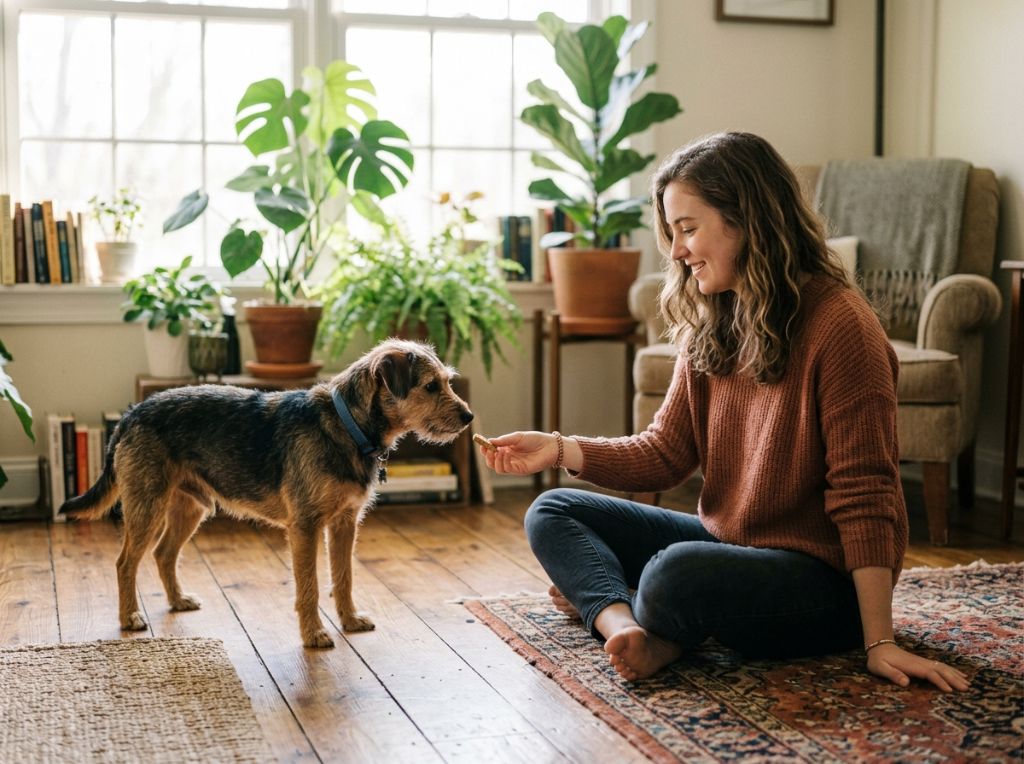
Bringing a rescue dog home is one of the most rewarding experiences a pet lover can have. You aren't just getting a pet; you are providing a second chance to a soul that may have known nothing but uncertainty. However, the path to a well-adjusted companion isn't always a straight line. Many new owners expect the transition to mirror that of a puppy, only to find themselves navigating a complex web of past traumas, unknown histories, and deep-seated fears. Training a rescue dog is fundamentally different because you aren't just teaching commands; you are rebuilding a broken foundation of trust. Understanding these differences is the key to a harmonious life together.
Understanding the Rescue Dog Mindset
When you bring home a puppy from a breeder, you are working with a relatively blank slate. With a rescue, you are working with a history that is often a mystery. Some dogs may have been surrendered due to a move, while others might have survived neglect or life on the streets. This means their initial reactions to your home aren't about 'disobedience'—they are about survival. In those first few days, your new friend is likely in a state of sensory overload. Their cortisol levels are spiked, and their 'fight or flight' response is on a hair-trigger.
To help them settle, you must first boost your dog’s confidence with these simple yet effective tips before asking them to perform complex tricks. A rescue dog needs to know they are safe before they can learn to 'sit' or 'stay.' Their brain is literally wired differently during this transition period, focusing on safety rather than cognitive learning.
🐶 Unlock Your Dog's Hidden Intelligence!
Transform your dog's behavior with **Brain Training for Dogs** – a proven, science-based training system that enhances your dog's intelligence and obedience.
🐾 Get Started Today →The 3-3-3 Rule: Your Roadmap to Patience
In the rescue world, experts often refer to the '3-3-3 rule.' This guideline helps manage expectations for how a dog acclimates to a new environment.
The First 3 Days: Decompressing
In the first 72 hours, your dog is likely feeling overwhelmed. They may hide under furniture, refuse to eat, or have 'accidents' even if they were previously house-trained. This is the 'shutdown' phase. Your job here isn't to train; it's to provide a quiet, predictable space. Limit visitors and avoid the temptation to take them to a busy pet store immediately.
The First 3 Weeks: Building Routine
By the three-week mark, the dog is starting to realize they might be staying for good. This is where their true personality—and their behavioral quirks—starts to emerge. This is the ideal time to start introducing very gentle structure. Routine is the antidote to anxiety. Feeding, walking, and sleeping at the same time every day helps lower their stress levels.
The First 3 Months: Building Trust
At the three-month mark, most dogs feel a sense of security and a true bond with their owners. Once this bond is solidified, the real training progress accelerates. You'll notice that they look to you for guidance rather than reacting instinctively to every noise or movement.
Why Mental Stimulation is the Secret Key
Many rescue dogs suffer from 'kennel brain' or a general lack of mental engagement from their time in a shelter. Traditional obedience can sometimes feel like a high-pressure environment for a fearful dog. This is where mental stimulation becomes a game-changer. Engaging a dog's brain helps shift them from a reactive state to a problem-solving state.
Programs that focus on cognitive development are particularly effective for rescues because they use positive reinforcement to build the dog's 'genius' muscles. If you've ever wondered does brain training for dogs actually work, the answer for rescues is a resounding yes. It builds the confidence they need to tackle the world without fear.
Training Techniques: Force-Free and Gentle
With a rescue dog, 'dominance-based' training or harsh corrections are not just ineffective; they are damaging. A dog that has been mistreated in the past will view a loud voice or a physical correction as a threat, which can lead to defensive aggression or complete shutdown.
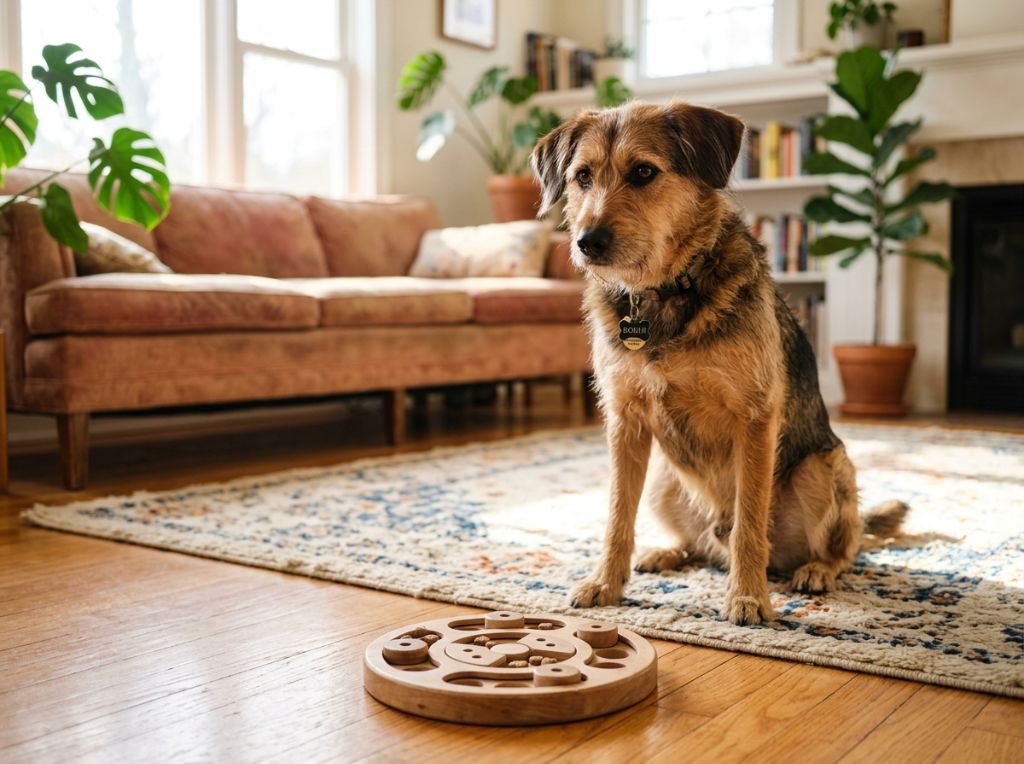
Instead, focus on 'Choice-Based Training.' Give your dog the opportunity to make the right decision and reward them heavily for it. This empowers the dog. For example, if they are afraid of the crate, don't force them in. Instead, place high-value treats near the entrance, then just inside, allowing them to choose to enter. You can find more on this in the ultimate guide to crate training, which emphasizes stress-free methods that are perfect for sensitive rescues.
Tackling Common Rescue Challenges
Regression in House-Training
It is common for an adult rescue dog to lose their house-training manners in a new environment. Treat them as if they are a brand new puppy. Supervise them at all times and take them out frequently. If you're struggling, following a structured plan like how to potty train your puppy fast can be applied to adult rescues to reinforce those forgotten habits.
Fear and Reactivity
Many rescues show reactivity on the leash, often stemming from fear rather than aggression. According to the American Kennel Club (https://www.akc.org), positive associations are the best way to counter-condition this behavior. When your dog sees a 'trigger' (like another dog), feed them a high-value treat before they have a chance to react. You are teaching them that 'Dog = Treats' rather than 'Dog = Danger.'
The Power of 'Brain Games' for Bonding
Training doesn't always have to be about 'heel' and 'sit.' For a rescue dog, playing games can be the fastest way to build a bond. Hide-and-seek with treats, scent work, and simple problem-solving tasks help the dog see you as a source of fun and safety. This is the philosophy behind the Brain Training for Dogs system. It focuses on the 'hidden intelligence' inside every dog, helping to eliminate bad behaviors by tackling the root cause: boredom and anxiety.
As your dog learns to solve puzzles, their self-esteem grows. A confident dog is a calm dog. This approach is much more effective than simply shouting 'no' whenever they do something wrong. You are giving them an alternative outlet for their energy.
Conclusion
Training a rescue dog requires a different toolkit than training a puppy. It demands a higher level of empathy, an abundance of patience, and a focus on building a relationship rather than just demanding obedience. By following the 3-3-3 rule, using force-free methods, and prioritizing mental stimulation, you can help your rescue dog overcome their past and become the loyal companion you know they can be. Remember, they aren't 'bad dogs'; they are often just good dogs who have had a string of bad luck. Your patience is the bridge to their new life.
Frequently Asked Questions
How long does it take for a rescue dog to trust you?
While every dog is different, most rescues show significant trust within 3 months (following the 3-3-3 rule). However, dogs with severe trauma may take six months to a year to fully let their guard down.
🐕 Transform Your Dog’s Life Today!
Imagine a world where your dog listens, learns quickly, and behaves perfectly! With **Brain Training for Dogs**, you’ll experience a joyful, well-trained pet in no time!
🌟 Begin the Transformation →Why is my rescue dog suddenly acting out after two weeks?
This is actually a good sign! It means the 'shutdown' phase is ending and the dog is starting to feel comfortable enough to test boundaries and show their true personality.
Can you train an older rescue dog?
Absolutely. The saying 'you can't teach an old dog new tricks' is a myth. Older dogs often have better focus than puppies, though they may require more frequent breaks if they have physical limitations.
My rescue dog is scared of everything. Where do I start?
Start with 'hand-feeding.' Instead of putting their bowl down, sit near them and offer kibble from your hand. This builds a powerful association between your presence and something positive (food).
🐾 Say Goodbye to Bad Behavior!
Tired of your dog's stubborn habits? Discover a **fun and easy** brain training system that turns any dog into a well-behaved genius in just a few weeks!
🐶 Start Training Now →

