You’re sitting on the sofa, and your dog is happily chewing on a bone. You lean over to adjust a pillow, and suddenly, you hear it—a low, gutteral growl. Your dog's body goes stiff, their eyes go wide, and for a split second, you don't recognize your best friend. This experience, known as resource guarding, is one of the most common and misunderstood behaviors in the canine world. It can be startling and even frightening, but I want you to know that you aren't alone and your dog isn't "bad."
Resource guarding is a natural survival instinct, but in our modern homes, it can lead to dangerous situations. The good news is that we can use positive reinforcement to transform your dog's mindset from "this is mine, go away" to "I love it when you approach me!" By teaching your dog that sharing is a rewarding experience rather than a loss, you can build a safer, more trusting relationship. This guide will walk you through the psychology of guarding and provide actionable, force-free steps to stop resource guarding in dogs for good.
What Exactly is Resource Guarding?
In the wild, a wolf that gives up its food doesn't survive. Even though our domesticated dogs have bowls filled twice a day, those ancient hardwired instincts can still flare up. Resource guarding occurs when a dog uses body language or vocalizations to discourage others from taking a valued item, whether that's food, a toy, a favorite sleeping spot, or even a human family member.
🐶 Unlock Your Dog's Hidden Intelligence!
Transform your dog's behavior with **Brain Training for Dogs** – a proven, science-based training system that enhances your dog's intelligence and obedience.
🐾 Get Started Today →It is often mislabeled as a sign of "dominance," but in reality, guarding is driven by anxiety and a fear of loss. When we understand that the dog is simply trying to protect something they value, we can approach the solution with empathy rather than punishment. Misidentifying this behavior is common, much like how owners might struggle with how to stop puppy biting: a gentle guide to taming your ‘land shark’ during early development.
Recognizing the Warning Signs
Resource guarding doesn't always start with a growl. Most dogs offer subtle cues long before they snap. Being able to spot these early signs is crucial for preventing escalation:
- The Freeze: The dog stops moving and becomes rigid while holding or standing over the item.
- Hard Stare: A fixed, intense gaze directed at the person or animal approaching.
- Whale Eye: You can see the whites of the dog's eyes as they watch you without moving their head.
- Body Blocking: Positioning their body between you and the resource.
- Rapid Eating: Gobbling food faster as you get closer.
If you notice these signs, it's a signal that your dog is over their threshold. Pushing further at this point can lead to snaps or bites, so it’s time to rethink your training approach.
Why Punishment Never Works
One of the biggest mistakes owners make is punishing the growl. If you scold a dog for growling, you aren't fixing the underlying fear; you are simply taking away their alarm system. A dog that is punished for growling may stop growling, but they will still feel the need to protect their item. This is how you end up with a dog that bites "without warning."
Instead of "showing them who is boss," we want to prove to the dog that our presence actually makes the resource better. This is especially important for owners who are understanding and managing an aggressive puppy: tips and solutions as these early interactions set the tone for their adult life.
The "Trade-Up" Strategy: Sharing is Winning
The most effective way to teach a dog to share is the "Trade-Up" method. The goal is to make the dog realize that when they give something up, they get something even more valuable in return.
Step 1: The Treat Fairy
Start when your dog has a low-value item, like a boring rubber toy. Walk past them at a distance where they are comfortable (no freezing or staring) and toss a high-value treat (like boiled chicken or cheese) in their direction. Don't try to take the toy. Just walk by, drop the good stuff, and keep going. You are teaching the dog that your approach predicts yummy treats.
Step 2: The Exchange
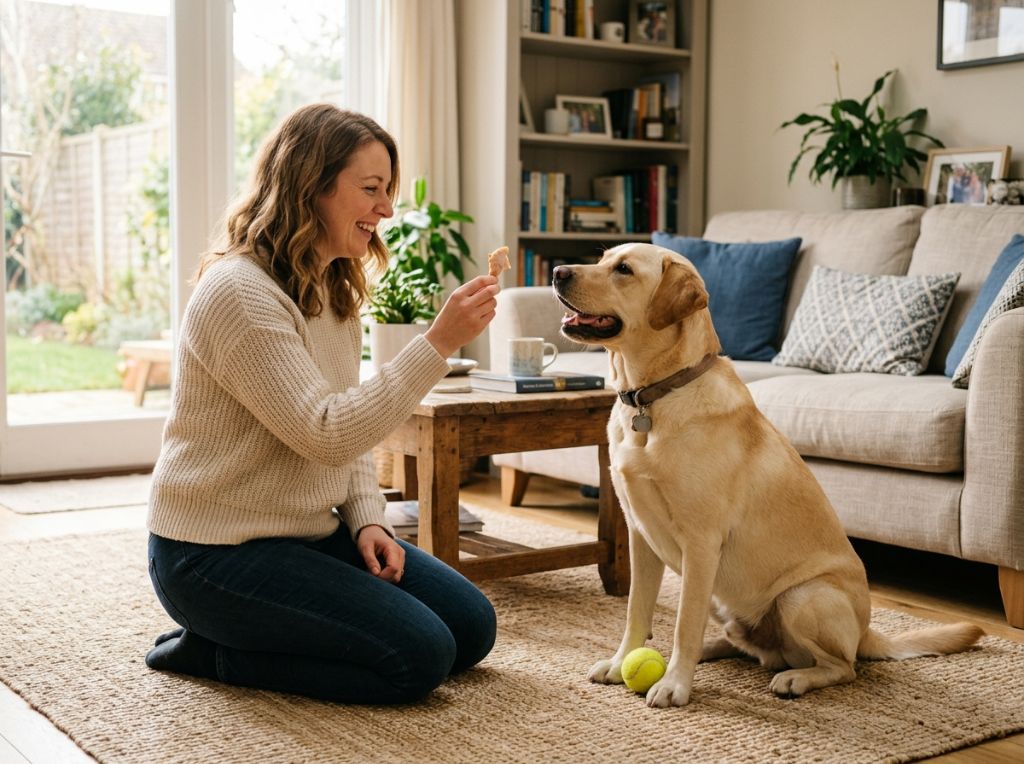
Once your dog is happy to see you approaching, you can start the trade. Offer a handful of treats while they have their toy. While they are busy eating the treats, gently pick up the toy, then immediately give the toy back. This is the "magic" moment: they learn that giving the item to you doesn't mean it’s gone forever. It just means they get chicken and their toy back.
Step 3: Handling High-Value Items
Gradually work your way up to higher-value items like bully sticks or food bowls. Never rush this process. If your dog stiffens, you’ve moved too fast. Go back to a lower-value item and build their confidence again. This patience is particularly vital for those learning how to train a rescue dog: what’s different and why it matters, as many rescues have a history of food scarcity that makes guarding more intense.
Management: Setting the Environment for Success
While you work on training, management is your best friend. Management means preventing the behavior from happening in the first place so the "guarding muscle" doesn't get stronger.
- Feed in Private: If your dog guards their bowl, feed them in a crate or behind a baby gate. This allows them to eat in peace without feeling the need to defend their meal.
- Clear the Floor: If your dog guards random objects, keep the floor clear of items they might claim until their training has progressed.
- Use High-Value Zones: If your dog guards the sofa, use a "place" command to keep them on their own bed when people are moving around the room.
The Role of Mental Enrichment
Often, resource guarding is exacerbated by boredom and general anxiety. A dog with a "busy brain" is a more relaxed dog. When a dog is mentally tired, they are less likely to be on high alert. Engaging your dog in problem-solving games can lower their overall stress levels and improve their impulse control.
Many owners find that structured mental workouts significantly reduce behavioral issues. If you're curious about how this works, you might check out our look at does brain training for dogs actually work? an honest review of canine mental stimulation to see how it can help your pup's focus.
When to Call a Professional
Resource guarding can become dangerous if not handled correctly. If your dog has already bitten or if you feel unsafe at any point, please reach out to a certified positive reinforcement trainer or a veterinary behaviorist. They can help you create a tailored desensitization plan according to the American Kennel Club guidelines for behavioral safety.
Frequently Asked Questions
Q: Is resource guarding a sign of dominance?
No. It is an anxiety-based behavior rooted in the fear that something valuable will be taken away. Using "alpha" techniques usually makes the behavior worse because it increases the dog's fear.
🐕 Transform Your Dog’s Life Today!
Imagine a world where your dog listens, learns quickly, and behaves perfectly! With **Brain Training for Dogs**, you’ll experience a joyful, well-trained pet in no time!
🌟 Begin the Transformation →Q: Can a puppy grow out of resource guarding?
Rarely. Without intervention, guarding usually becomes more ingrained as the dog matures. It is much easier to address early than to fix years of established habits.
Q: Should I put my hand in my dog's food bowl while they eat?
Actually, no. This is a common piece of outdated advice. If someone kept touching your plate while you were trying to eat a steak, you'd get annoyed too! Instead of bothering them, drop high-value treats into the bowl as you walk by so they associate your hand with adding food, not taking it.
Final Thoughts on Teaching Your Dog to Share
Teaching your dog to share is all about building a foundation of trust. It requires patience, consistency, and a lot of high-quality treats. Remember that every time you "trade up" instead of taking an item by force, you are depositing trust into your dog's emotional bank account.
Over time, those low growls will turn into wagging tails because your dog will realize that your presence is the best thing that could happen to their favorite toy. Keep your training sessions short, keep them positive, and celebrate every small victory. You’ve got this!
🐾 Say Goodbye to Bad Behavior!
Tired of your dog's stubborn habits? Discover a **fun and easy** brain training system that turns any dog into a well-behaved genius in just a few weeks!
🐶 Start Training Now →