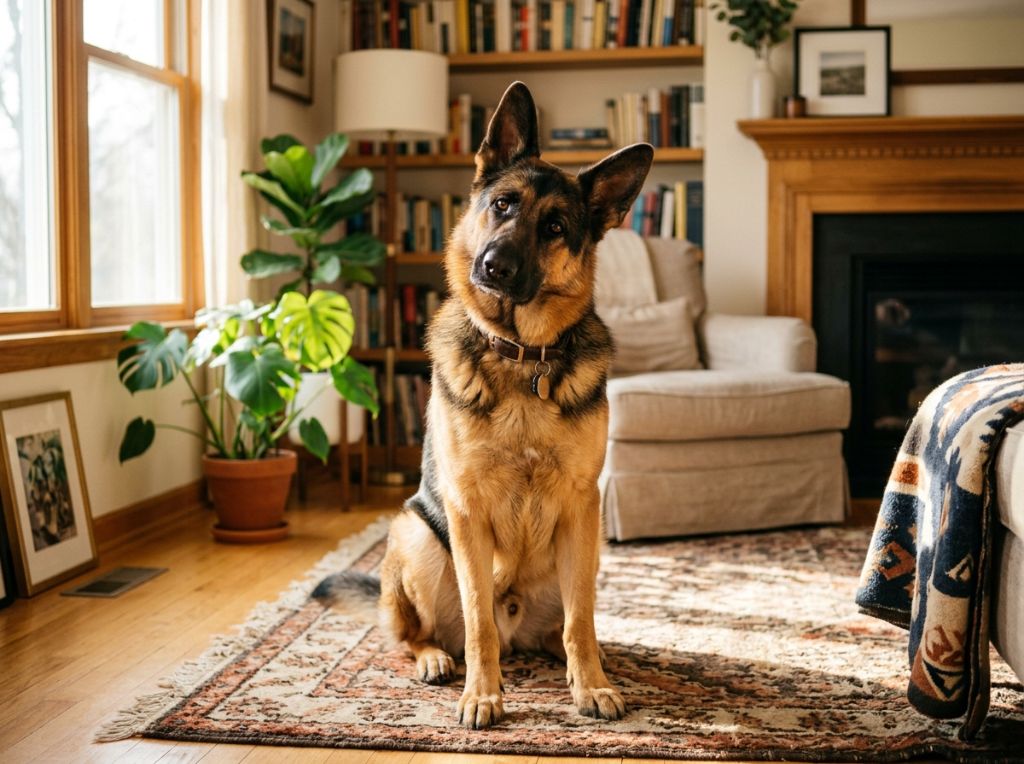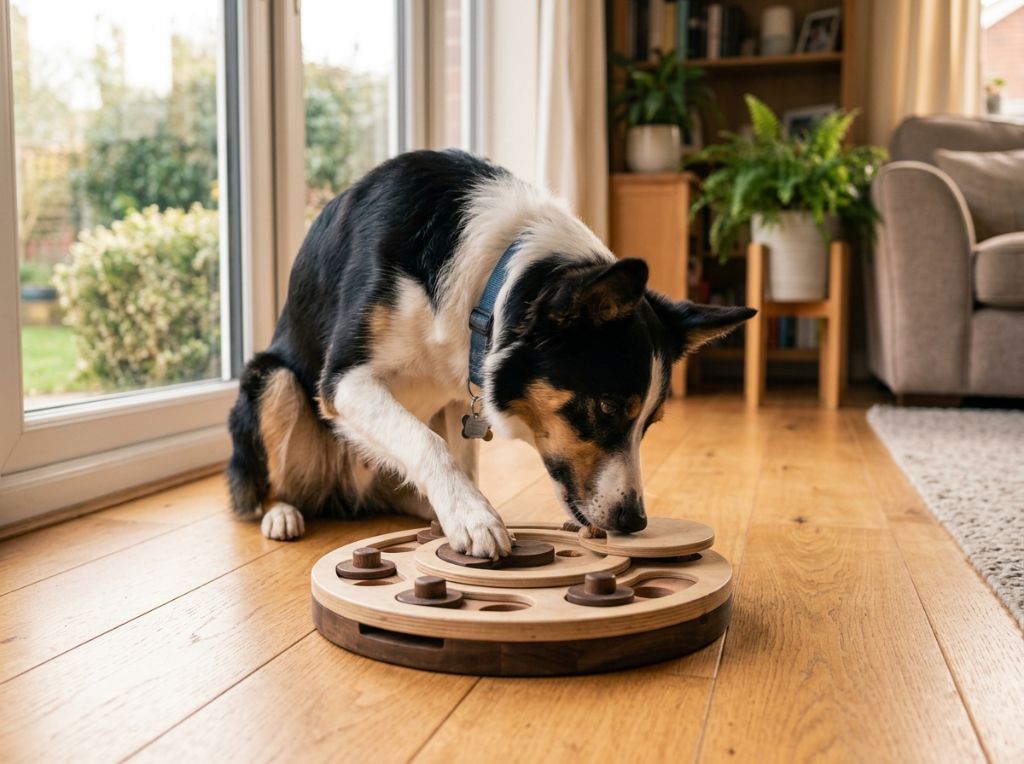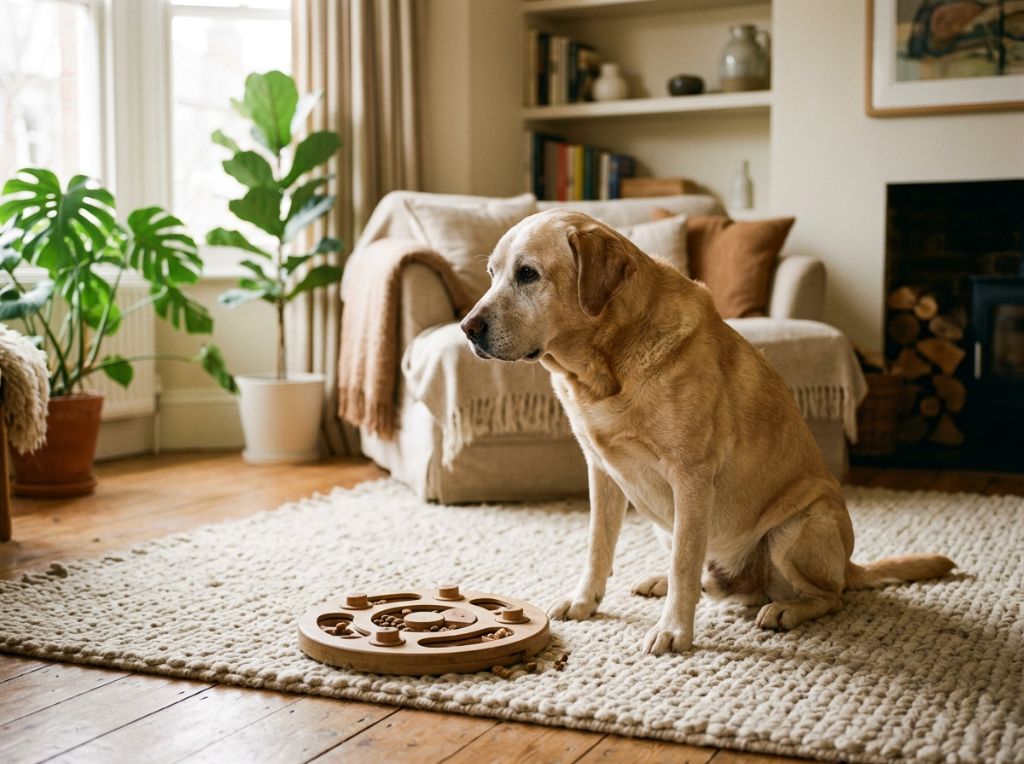
Watching our beloved companions age is one of the hardest parts of dog ownership. You notice the graying muzzle, the slower pace on morning walks, and perhaps a bit more sleeping in the sun. But while we often focus on their physical joints, we sometimes forget the most important muscle of all: the brain. Just like humans, dogs can experience age-related cognitive changes, often referred to as Canine Cognitive Dysfunction (CCD). The good news is that you don’t have to sit idly by while your dog’s spark fades. Engaging in specific mental exercises can help maintain neural pathways and keep their spirits high.
You might find yourself wondering can you teach an old dog new tricks? using neuroplasticity to revitalize your senior pet, and the answer is a resounding yes. In fact, training in the golden years is more than just fun; it is a vital part of a senior dog’s wellness plan. By introducing low-impact, high-reward games, you can significantly improve your pup's quality of life and potentially slow the progression of memory loss.
1. The Modified Shell Game
The shell game is a classic for a reason, but for seniors, we want to keep it slow and stress-free. Take three opaque plastic cups and a high-value treat. Show your dog the treat, place it under one cup, and slowly move the cups around.
🐶 Unlock Your Dog's Hidden Intelligence!
Transform your dog's behavior with **Brain Training for Dogs** – a proven, science-based training system that enhances your dog's intelligence and obedience.
🐾 Get Started Today →This game encourages focus and visual tracking. For dogs with mobility issues, this is perfect because they can play while lying comfortably on an orthopedic bed. If your dog gets frustrated, simplify it by only using two cups or not moving them at all until they understand the concept. This simple logic puzzle helps stimulate the prefrontal cortex, keeping those problem-solving skills sharp.
2. Low-Impact Nose Work
One of the last senses to fade in a senior dog is their sense of smell. Using their nose is naturally exhausting and incredibly rewarding. Nose work for dogs is often called the easiest mental exercise you’re not doing, and it’s a lifesaver for aging pups.
Simply hide smelly treats around the room at floor level (no jumping required!) and tell them to "Find it." This mimics natural foraging behavior and provides a huge dopamine boost. Because it doesn't require running or jumping, it’s the ultimate activity for dogs with arthritis or hip dysplasia.
[Image suggestion: A senior dog with a gray muzzle sniffing a treats hidden behind a chair leg, soft indoor lighting.]
3. The Muffin Tin Puzzle
If you don’t want to buy expensive puzzles, your kitchen has the answer. Place treats in the holes of a muffin tin and cover each hole with a tennis ball. Your dog will have to figure out how to remove the ball to get to the prize.
This game works on fine motor skills and patience. For seniors who might have lost some dental strength, use soft, smelly treats like boiled chicken or small pieces of cheese. If you’re looking for more ways to challenge them, you can find a variety of problem-solving games for dogs that use common household items to build confidence.
4. Name Recognition (The Vocabulary Game)
Senior dogs often have a lifetime of vocabulary stored away. You can revitalize this by teaching them the names of specific toys. Start with two distinct toys—for example, "Bear" and "Ball." Ask them to fetch or touch the "Ball." When they get it right, celebrate like they just won the lottery.
This type of discrimination training is excellent for cognitive health. It requires them to listen, process a word, and associate it with a physical object. If they seem to be struggling with their hearing, you can use hand signals to achieve the same result. The goal isn't perfection; it’s the mental effort of making the choice.
5. The "Hot and Cold" Game
This is a communication-based game that builds a deeper bond between you and your dog. Hide a treat or a favorite toy. As your dog moves closer to it, use a high-pitched, excited voice to say "Hot!" As they move away, use a calm, low tone for "Cold."
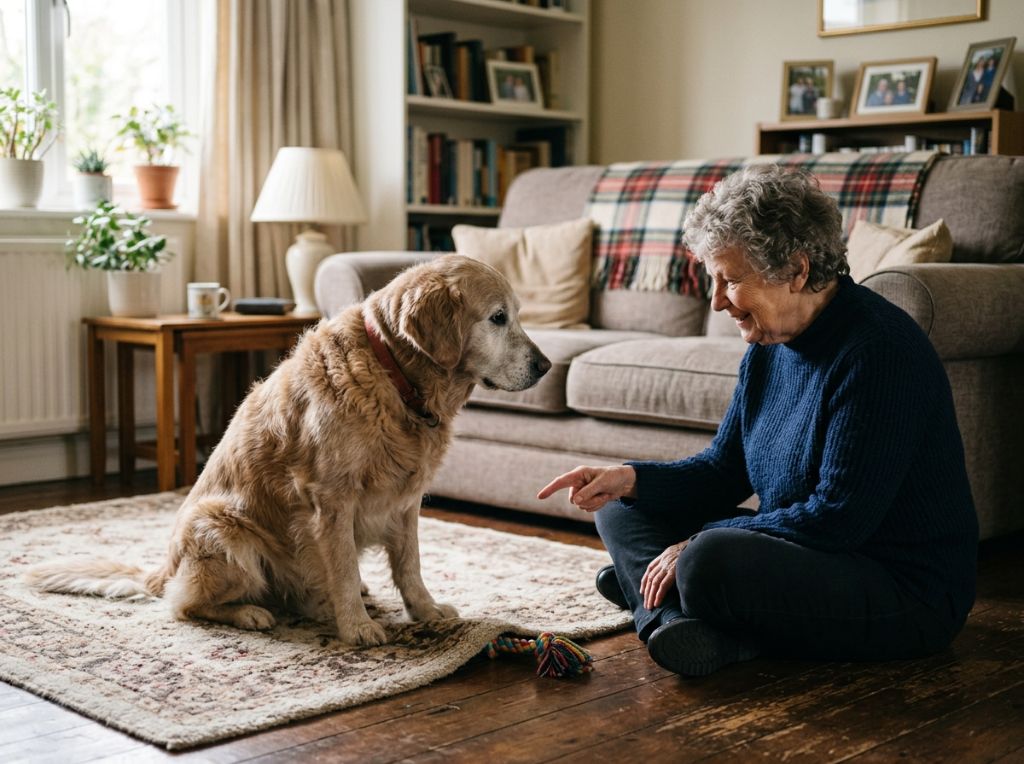
This teaches your dog to look to you for cues and helps them stay engaged with their environment. It’s a great way to keep them moving gently around the house without the impact of a fast-paced game of fetch. According to experts at the American Kennel Club, mental engagement is just as important as physical exercise for maintaining a senior dog's health.
6. Gentle "Hide and Seek"
Hide and seek isn't just for kids. Have a family member hold your dog in one room while you hide in another (somewhere easy to find, like behind a door or a sofa). Call your dog’s name and wait for them to find you.
This game combines auditory stimulation with the reward of social interaction. For senior dogs who may experience dog separation anxiety, this can actually help build their confidence in being away from you for short bursts while making the reunion a fun game.
7. The "New Trick" Challenge
It is a myth that old dogs can't learn. While they might not be up for agility courses, they can learn stationary tricks like "Touch" (touching their nose to your palm) or "Pretty" (lifting one paw). Learning something new creates new neural connections, which is the cornerstone of preventing cognitive decline.
If you are wondering if this type of training actually yields results, you might find the answer in our detailed look at does brain training for dogs actually work? which explores the science behind canine mental stimulation. Many owners find that their senior dogs become more alert and less anxious after just a few weeks of consistent, gentle brain games.
🐕 Transform Your Dog’s Life Today!
Imagine a world where your dog listens, learns quickly, and behaves perfectly! With **Brain Training for Dogs**, you’ll experience a joyful, well-trained pet in no time!
🌟 Begin the Transformation →Creating a Safe Play Environment
When playing with your senior, keep these tips in mind:
- Short Sessions: 5–10 minutes is plenty. Don't overtax their focus.
- Surface Matters: Play on rugs or yoga mats to prevent slipping.
- High Rewards: Use treats that are easy to digest and smell strong.
- Patience: If they get confused, go back to a simpler step.
FAQ
How can I tell if my dog is experiencing cognitive decline?
Common signs include disorientation (getting stuck in corners), changes in sleep patterns, loss of house training, and decreased interest in social interaction. If you notice these, consult your vet and start a brain game routine immediately.
Are these games safe for dogs with arthritis?
Yes! Most of these games are designed to be played while standing still or walking slowly. Always observe your dog's body language and stop if they show signs of physical discomfort.
How often should I play these games?
Consistency is better than intensity. Aim for one or two short sessions a day. It’s a wonderful way to break up their day and provide something to look forward to.
Conclusion
Your dog’s senior years can be a time of deep connection and quiet joy. By incorporating these 7 brain games into your daily routine, you aren't just passing the time; you are actively protecting their cognitive health and keeping their golden years bright. Remember, a stimulated brain is a happy brain, no matter how many candles are on the birthday cake.
If you're looking for a structured way to keep your dog's mind sharp, a professional guided program can take the guesswork out of training and provide a roadmap for success.
🐾 Say Goodbye to Bad Behavior!
Tired of your dog's stubborn habits? Discover a **fun and easy** brain training system that turns any dog into a well-behaved genius in just a few weeks!
🐶 Start Training Now →