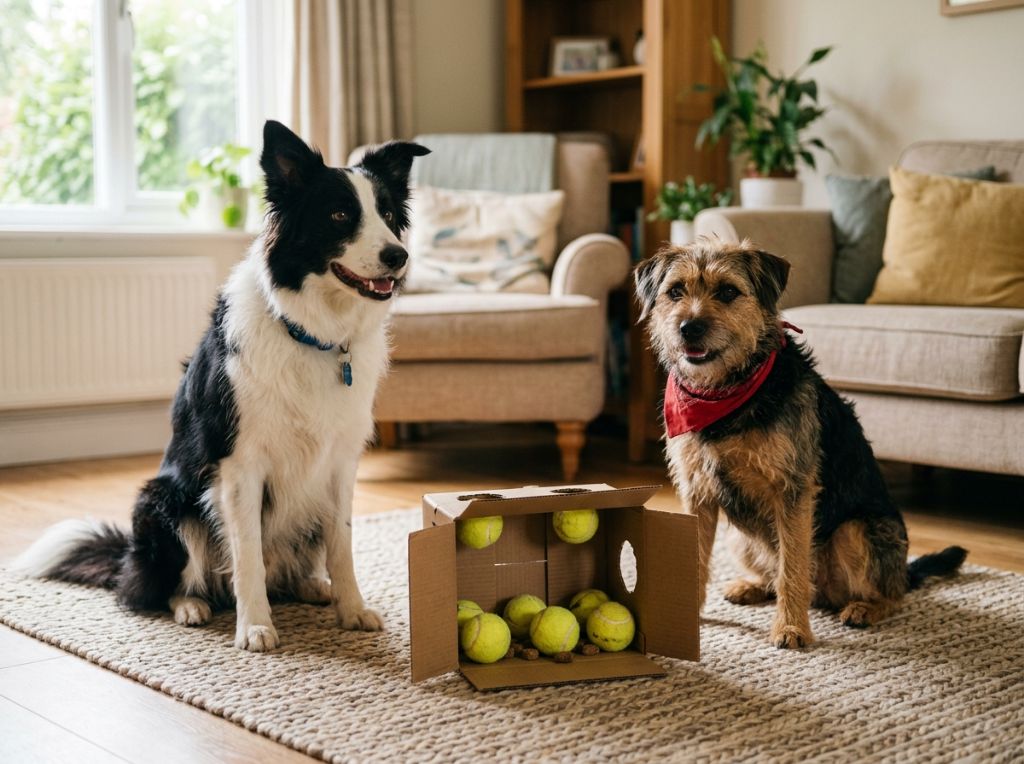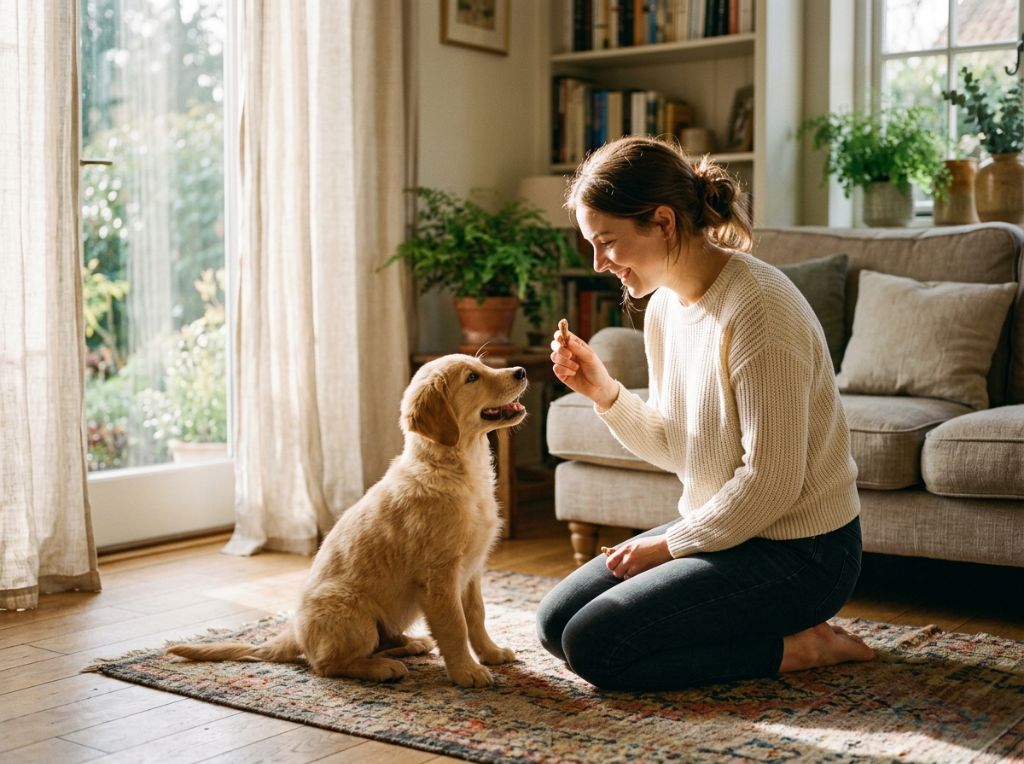
We have all been there: you are in the middle of a peaceful walk or hosting a dinner party, and your dog decides that ‘listening’ is a strictly optional activity. It can be frustrating, and honestly, a bit embarrassing. But the truth is, your dog isn't being 'bad' or stubborn; they often just lack a clear communication bridge between your human expectations and their canine instincts. Learning basic obedience training: teaching your dog sit, stay, and come is the cornerstone of a happy life together.
Training doesn’t have to take months of grueling repetition. By focusing on a structured 7-day plan, you can establish the three most critical commands: Sit, Stay, and Come. This isn’t just about control; it is about safety and bonding. When you understand the science of how your dog learns, you realize that most 'naughty' behaviors are actually just a lack of mental engagement. Many owners find that once they address the root of the problem—boredom—training becomes significantly easier. In fact, understanding why your ‘naughty’ dog is actually just bored can transform your entire approach to these seven days.
The Preparation Phase: Tools for Success
Before you start Day 1, you need to set your dog up for success. You wouldn’t try to learn calculus in a noisy nightclub, so don’t expect your dog to learn 'Stay' in a busy park. Start in a quiet room with minimal distractions.
🐶 Unlock Your Dog's Hidden Intelligence!
Transform your dog's behavior with **Brain Training for Dogs** – a proven, science-based training system that enhances your dog's intelligence and obedience.
🐾 Get Started Today →You will need:
- High-value treats (think tiny pieces of boiled chicken or cheese).
- A quiet environment.
- 10-15 minutes of dedicated time each day.
- A positive attitude (dogs pick up on your energy!).
If you find your dog is particularly resistant or seems to have a short attention span, it might be worth looking into how their brain processes information. Programs like Brain Training for Dogs help by developing your dog's 'hidden intelligence' to eliminate bad behaviors and increase obedience through mental stimulation.
Day 1 & 2: Mastering the 'Sit'
The 'Sit' is the gateway to all other training. It is a natural position for dogs and is relatively easy to capture using a technique called 'luring.'
The Process:
- Hold a treat right in front of your dog’s nose (let them sniff it, but don't let them eat it yet).
- Slowly move your hand up and back over their head. As their nose follows the treat, their bottom will naturally lower toward the floor.
- The second their rump touches the ground, say ‘Yes!’ or use a clicker, and give them the treat.
- Repeat this 10 times in a row.
Important Tip: Do not say the word 'Sit' until your dog is reliably doing the physical movement. You want them to associate the word with the completed action, not the process of figuring it out. By the end of Day 2, you should be able to say the word 'Sit' and have them respond immediately.
Day 3 & 4: Developing a Reliable 'Stay'
'Stay' is a life-saving command. It prevents your dog from bolting out the front door or running into traffic. It is essentially an exercise in self-control. According to the American Kennel Club, positive reinforcement is the most effective way to build this duration.
The Process:
- Ask your dog to 'Sit.'
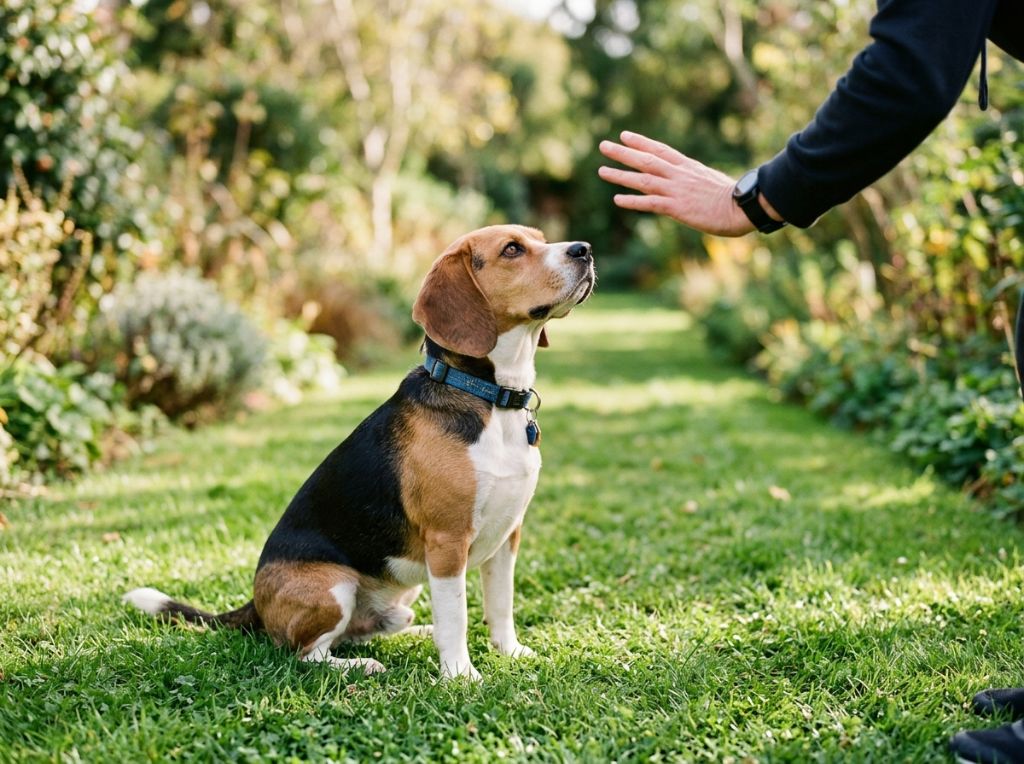
- Open your palm toward them (like a stop sign) and say 'Stay.'
- Wait just two seconds. If they don't move, say 'Yes!' and reward.
- Gradually increase the time to 5 seconds, then 10 seconds.
- Once they are holding the position, take one small step back, then immediately step back to them and reward.
If they break the stay, don't get angry. Simply reset them and try again with a shorter duration. The goal is to build their confidence. Many owners struggle with this because their dogs are easily distracted by surroundings. If you're dealing with an older pet, remember that using neuroplasticity to revitalize your senior pet can make these training sessions even more effective later in life.
Day 5 & 6: The Golden Rule of 'Come' (Recall)
Recall is the most important skill your dog will ever learn. A dog that comes when called has the freedom to go off-leash in safe areas and the safety net of being reachable in emergencies. Successful recall training: how to get your dog to come when called every time requires you to be the most exciting thing in your dog’s world.
The Process:
- Start in a hallway or a small room.
- Squat down, open your arms, and say 'Come!' in a high-pitched, happy voice.
- When they reach you, give them a 'jackpot' reward (3-4 small treats in a row) and lots of physical praise.
- Never use the 'Come' command to bring your dog to something they dislike (like a bath or leaving the park), as this creates a negative association.
By Day 6, try this in different rooms of the house or your backyard. If you feel like your dog’s progress is stalling, it might not be a lack of effort, but a lack of mental engagement. This is where a structured mental workout, like the one found in the Brain Training for Dogs system, can bridge the gap between basic commands and total reliability.
Day 7: Putting It All Together (The Graduation)
On the final day, it is time to proof these commands with mild distractions. Try practicing 'Sit' while the TV is on, or 'Stay' while someone else walks through the room. If you find yourself struggling with specific issues like jumping or barking during these sessions, you aren't alone. You can often transform your dog’s behavior with brain training by tackling the underlying cognitive causes of these habits.
Frequently Asked Questions
1. What if my dog is too distracted to listen?
Distraction usually means the environment is too challenging or the reward isn't high-value enough. Go back to a quieter room and use better treats. Also, ensure your dog has had some physical exercise before starting so they aren't bursting with pent-up energy.
2. Can I teach these commands to an older dog?
Absolutely! The phrase 'you can't teach an old dog new tricks' is a myth. Older dogs often have better focus than puppies, though they may require more patience if they have spent years practicing 'bad' habits.
🐕 Transform Your Dog’s Life Today!
Imagine a world where your dog listens, learns quickly, and behaves perfectly! With **Brain Training for Dogs**, you’ll experience a joyful, well-trained pet in no time!
🌟 Begin the Transformation →3. How long should each training session last?
Keep it short! 5 to 10 minutes, twice a day, is much better than one long hour-long session. You want to stop while the dog is still having fun and succeeding.
4. Should I use a clicker?
Clickers are fantastic because they provide a precise 'mark' for the exact moment your dog does something right. However, if you find it too cumbersome, a consistent verbal marker like 'Yes!' works just as well.
Conclusion: Beyond the Basics
Teaching your dog to sit, stay, and come in 7 days is an incredible achievement that sets the foundation for a lifetime of companionship. Remember, training is a journey, not a destination. Once you have mastered these basics, keep challenging your dog’s mind. A bored dog is often a destructive dog, but a dog that is mentally stimulated is a calm, happy, and obedient partner.
If you want to take your training to the next level and truly unlock your dog's potential, focusing on their intelligence is key. Whether you're dealing with a stubborn puppy or an older dog with a few 'naughty' habits, a comprehensive approach to mental engagement is the fastest path to results.
🐾 Say Goodbye to Bad Behavior!
Tired of your dog's stubborn habits? Discover a **fun and easy** brain training system that turns any dog into a well-behaved genius in just a few weeks!
🐶 Start Training Now →