
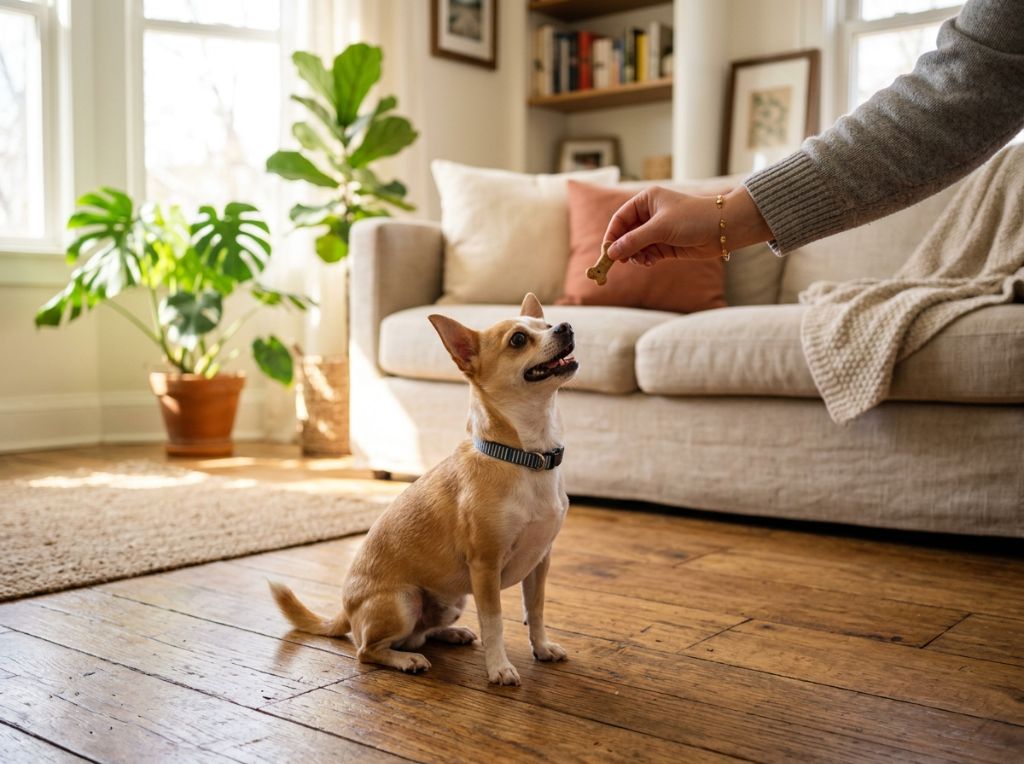
You see a tiny, four-pound dog trembling in a designer tote, and your first instinct is to protect them. But behind those oversized ears and liquid-gold eyes lies the mind of a tactical genius. Chihuahuas are frequently misunderstood as mere lap dogs or 'yappy' accessories, yet they possess a level of intelligence and tenacity that rivals breeds ten times their size. If you have ever felt like your Chihuahua was actually training you, you are not alone. These 'big brains in small bodies' require a specific approach to education that respects their intellect while managing their unique physical needs.
Training a Chihuahua isn't just about teaching them to sit or stay; it is about building a bridge of communication that prevents the dreaded 'Small Dog Syndrome.' When these dogs don't receive mental structure, they often resort to excessive barking or territorial behavior to feel secure. By focusing on their cognitive development, you can transform a feisty pup into a calm, confident companion. This guide will walk you through the nuances of Chihuahua training, ensuring your little genius thrives in a big world.
Understanding the Chihuahua Mindset
To train a Chihuahua effectively, you must first understand their history. Though they are the smallest breed in the world, they are descendants of the Techichi, a companion dog from ancient Mexico. They were bred for companionship but also held spiritual significance, often requiring them to be alert and discerning. This heritage leaves us with a dog that is deeply loyal, highly observant, and sometimes a bit suspicious of strangers.
🐶 Unlock Your Dog's Hidden Intelligence!
Transform your dog's behavior with **Brain Training for Dogs** – a proven, science-based training system that enhances your dog's intelligence and obedience.
🐾 Get Started Today →Because they are so small, the world can be a scary place. Much of what owners perceive as aggression is actually 'fear-reactivity.' When a Chihuahua barks at a large dog, they aren't necessarily being 'mean'; they are trying to make themselves look bigger to stay safe. Understanding this shift in perspective is the first step in successful training. Instead of punishing the bark, we need to build the dog's confidence.
1. Start Socialization Early (and Safely)
Many Chihuahua owners make the mistake of sheltering their pups too much. While it is true that they are fragile, keeping them tucked away in a carry-bag prevents them from learning how to navigate the world. To raise a well-adjusted dog, you must expose them to various sounds, sights, and people.
However, socialization should be controlled. Rather than letting a giant dog bowl over your Chihuahua at a park, opt for quiet walks where they can observe from a distance. If you notice your pup becoming overwhelmed, you can refer to our guide on how to calm an over-excited dog to help them regain their focus. Positive exposure during the first 16 weeks of life is critical for preventing lifelong anxiety.
2. Master the Art of Positive Reinforcement
Chihuahuas are incredibly sensitive. Using harsh corrections or a loud tone will only cause them to shut down or become fearful. Positive reinforcement is the golden rule here. Because they have tiny stomachs, you don't want to overfeed them during training sessions. Use 'high-value' treats like tiny slivers of boiled chicken or specialized healthy dog treats that double as training rewards to keep them motivated without the extra calories.
Timing is everything. You must reward the desired behavior within seconds so your Chihuahua makes the connection. If you are struggling with basic commands, remember that consistency is more important than the length of the session. Five minutes of focused training twice a day is far more effective for a small dog than one long, exhausting hour.
3. Tackle Housebreaking with Patience
One of the most common complaints among Chihuahua owners is the difficulty of potty training. Due to their tiny bladders, they simply cannot 'hold it' as long as a Labrador. Furthermore, because they are so low to the ground, they might find a hidden corner of a rug and think it's a perfectly acceptable spot.
To succeed, you need a strict schedule. Take them out after every meal, nap, and play session. If you live in a high-rise, learning how to potty train a puppy fast even in an apartment can save your floors and your sanity. Never punish an accident; simply clean it with an enzymatic cleaner and redouble your efforts to catch them in the act next time.
4. Curb Excessive Barking
Chihuahuas are natural watchdogs, but they can take their job a bit too seriously. Whether it’s a leaf blowing past the window or the mail carrier arriving, they feel the need to alert the entire neighborhood. To manage this, you must understand why your dog barks so much in the first place. Is it fear, boredom, or territoriality?
Teach the 'Quiet' command. When your dog barks, acknowledge the alert ('Thank you!'), then hold a treat near their nose. They cannot bark and sniff at the same time. Once they go silent to investigate the treat, say 'Quiet' and reward them. Over time, they will learn that silence is more profitable than noise.
5. Focus on Mental Stimulation
Because they are so smart, Chihuahuas get bored easily. A bored Chihuahua is a destructive Chihuahua (or at least a very loud one). Physical exercise is important, but mental exercise is what truly tires them out. Since they can't go for five-mile hikes in the heat, indoor brain games are a lifesaver.
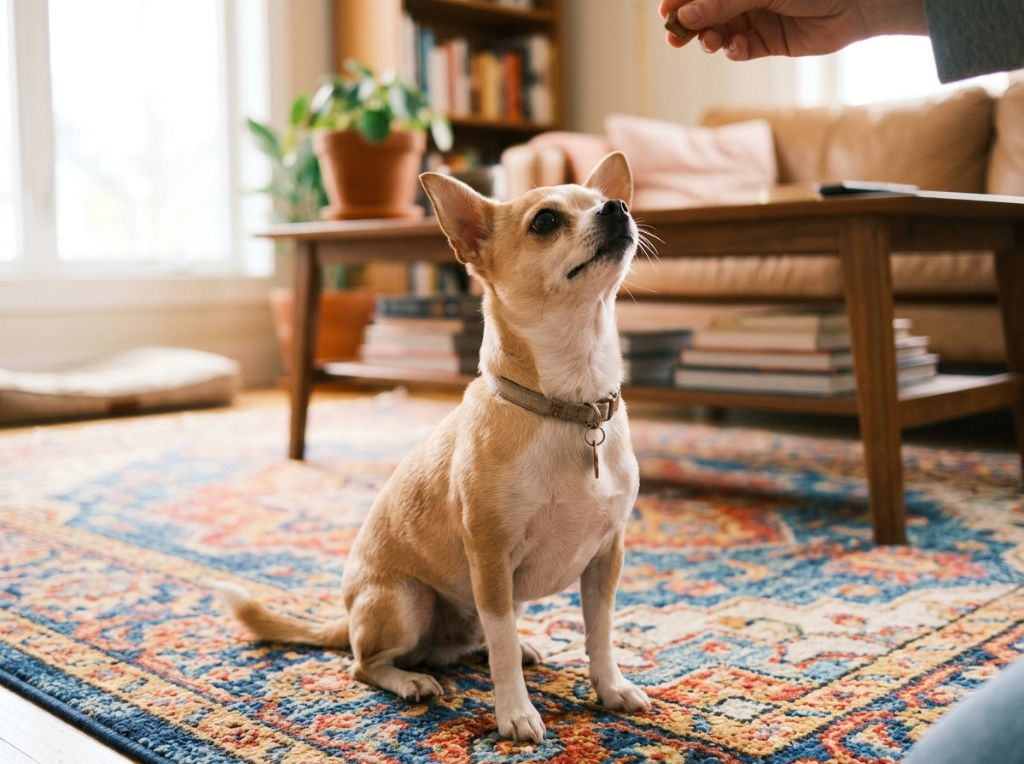
Simple activities like nose work for dogs can be done in a small living room. Hiding treats around the house and encouraging your dog to 'find it' engages their natural scavenging instincts and burns off mental energy. This is often more exhausting for them than a walk around the block.
6. Set Clear Boundaries
It is tempting to let a tiny dog get away with 'naughty' behaviors like jumping up or growling over a toy because it looks 'cute.' However, boundaries are essential for a dog's mental health. If you wouldn't let a Great Dane do it, don't let your Chihuahua do it.
Consistency across all family members is key. If one person allows the dog on the couch and another doesn't, the dog becomes confused and anxious. Providing a dedicated 'place' like a high-quality bed can help them feel secure. You can check out our recommendations for the best calming donut and cuddler beds to give them a safe retreat when they need a break from the action.
7. Use Professional Tools at Home
You don't need to spend thousands on professional trainers to see results. Many owners are finding success by using structured online programs that focus on the science of canine intelligence. If you've ever wondered does brain training for dogs actually work, the answer lies in the concept of neuroplasticity—even the smallest dogs can learn new ways to process information and react to triggers.
🐕 Transform Your Dog’s Life Today!
Imagine a world where your dog listens, learns quickly, and behaves perfectly! With **Brain Training for Dogs**, you’ll experience a joyful, well-trained pet in no time!
🌟 Begin the Transformation →8. Prevent Separation Anxiety
Chihuahuas are famous for being 'velcro dogs.' While their devotion is heart-warming, it can lead to severe distress when you have to leave the house. To prevent this, practice short departures. Put on your shoes, grab your keys, and sit back down on the couch. This 'desensitizes' them to your departure cues. Gradually increase the time you spend out of the room, ensuring they have a long-lasting chew or a puzzle toy to keep them occupied.
9. Leash Training for Safety
Even though you can easily pick them up, your Chihuahua should know how to walk on a leash. This gives them a sense of autonomy and keeps them safe from darting into traffic. Because they have delicate necks, always use a harness rather than a collar to prevent tracheal collapse. Using positive reinforcement to encourage a loose lead will make your outings much more enjoyable for both of you.
10. Respect Their Size
Finally, always remember how small they are. A human standing over them can be intimidating. When training, try to get down on their level or work with them on a raised surface like a sofa (if allowed). This levels the playing field and makes them feel like a partner in the process rather than a subject. According to the American Kennel Club, Chihuahuas are among the most loyal breeds, and once you earn their trust through respectful training, you have a friend for life.
Frequently Asked Questions
Are Chihuahuas harder to train than other breeds?
They aren't harder, but they are different. They require more patience with housebreaking and a softer touch with discipline. Their high intelligence means they can be stubborn if they don't see the 'point' of a command, so keep rewards high-value.
How much exercise does a Chihuahua really need?
While they have bursts of energy, 20 to 30 minutes of walking per day combined with indoor play is usually sufficient. Mental stimulation is often more important for this breed than raw physical distance.
Can an older Chihuahua be trained?
Absolutely! The phrase 'you can't teach an old dog new tricks' is a myth. Older Chihuahuas often have better focus than puppies, making them excellent candidates for advanced mental games and behavior modification.
Conclusion
Owning a Chihuahua is a unique privilege. These tiny dogs offer a level of companionship and personality that is truly outsized. By investing time in their training and focusing on their incredible mental capacity, you aren't just teaching them to be 'good'—you are enriching their lives and strengthening the bond you share.
Remember, your Chihuahua wants to understand you. They want to succeed. By providing them with the right tools, clear boundaries, and plenty of mental engagement, you will unlock the true potential of that big brain in a small body. If you're ready to take their training to the next level and see what your little genius is truly capable of, don't hesitate to start your journey into canine cognitive development today.
🐾 Say Goodbye to Bad Behavior!
Tired of your dog's stubborn habits? Discover a **fun and easy** brain training system that turns any dog into a well-behaved genius in just a few weeks!
🐶 Start Training Now →

