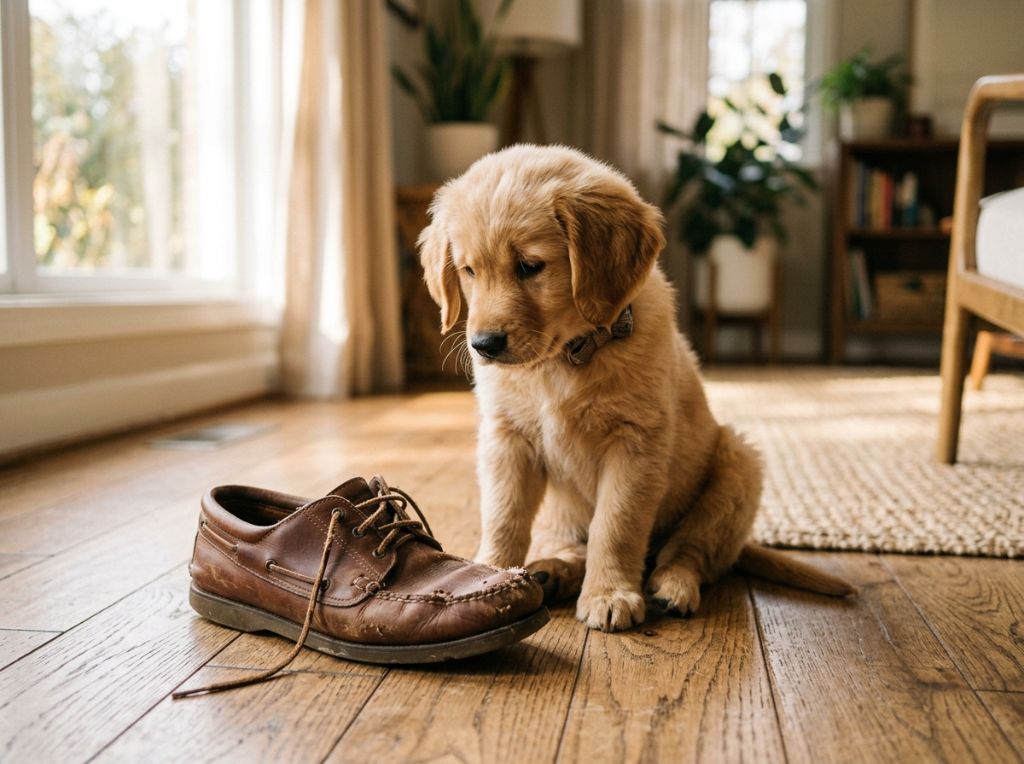
You walk into the living room, and your heart sinks. There it is—your favorite pair of leather shoes, now bearing the unmistakable, jagged signature of a teething puppy. In that moment of frustration, it is tempting to raise your voice, or perhaps use a firm "No!" followed by a time-out.
We have all been there. The "land shark" phase of puppyhood is one of the most testing times for any dog owner. However, research into canine behavior has shown us that the traditional reflex to punish a puppy for chewing not only fails to stop the behavior but can actually make it worse.
In this guide, we will explore the biological and psychological reasons why puppies chew, why punishment is a dead end, and how you can use positive redirection and mental engagement to protect your furniture and build a lifelong bond with your pet.
🐶 Unlock Your Dog's Hidden Intelligence!
Transform your dog's behavior with **Brain Training for Dogs** – a proven, science-based training system that enhances your dog's intelligence and obedience.
🐾 Get Started Today →Why Puppies Chew: It is Not Malice, It is Biology
Before we can fix the behavior, we have to understand where it comes from. Puppies do not chew because they are "bad" or trying to get revenge for you leaving them alone. For a puppy, the mouth is their primary tool for interacting with the world.
1. The Teething Phase
Just like human infants, puppies go through a painful teething process. Between the ages of 3 and 6 months, their baby teeth fall out to make room for adult teeth. Chewing provides physical relief to their sore, inflamed gums.
2. Sensory Exploration
Puppies are natural explorers. Lacking hands, they use their mouths to determine the texture, taste, and durability of everything in their environment. To a puppy, your remote control isn't a high-tech device; it is a fascinating object with a unique "give" and a salty human scent.
3. Boredom and Energy
A puppy with pent-up energy is a puppy that will find its own job. Often, that job involves deconstructing your throw pillows. Without appropriate physical and mental outlets, chewing becomes a self-soothing mechanism to pass the time.
Why Punishment Fails Every Time
When we catch a puppy chewing the rug, our instinct is often to scold. However, science tells us that punishment is one of the least effective ways to change behavior. Here is why:
It Creates "Secret Chewing"
If you yell at your puppy when you catch them chewing a shoe, they don't necessarily learn that chewing the shoe is wrong. Instead, they learn that chewing the shoe in front of you is dangerous. This leads to puppies who sneak off to other rooms to chew in secret, making the habit even harder to manage.
It Damages the Bond
At this age, your puppy should be learning that you are a source of safety and guidance. Punishment introduces fear into the relationship. A fearful puppy is more likely to develop anxiety-based behaviors, including aggression or submissive urination, later in life.
It Doesn't Offer an Alternative
Punishment tells a dog what not to do, but it fails to explain what they should be doing. If a puppy has a biological need to chew, and you simply tell them "no," they are left with a need that has no outlet.
The Better Way: Management and Redirection
If punishment isn't the answer, what is? The most successful approach is a combination of environmental management and positive reinforcement.
Step 1: Puppy-Proof Your Environment
You cannot expect a puppy to have the impulse control of an adult dog. If you leave your expensive sneakers on the floor, you are setting the puppy up for failure. Use baby gates, crates, and playpens to limit their access to "off-limits" items until they have learned what is theirs to chew.
Step 2: Provide "High-Value" Alternatives
Not all chew toys are created equal. If your puppy prefers the texture of your wooden chair legs, try providing a safe wood-based chew toy. If they love the squish of a cushion, provide a durable plush toy.
Step 3: The Art of the Trade
When you catch your puppy chewing something they shouldn't, don't just grab it away. This can trigger "resource guarding." Instead, offer them a high-value toy or treat in exchange. When they drop the forbidden item to take the toy, praise them enthusiastically. This teaches them that playing with their toys is more rewarding than playing with yours.
Solving the Root Cause: Mental Stimulation
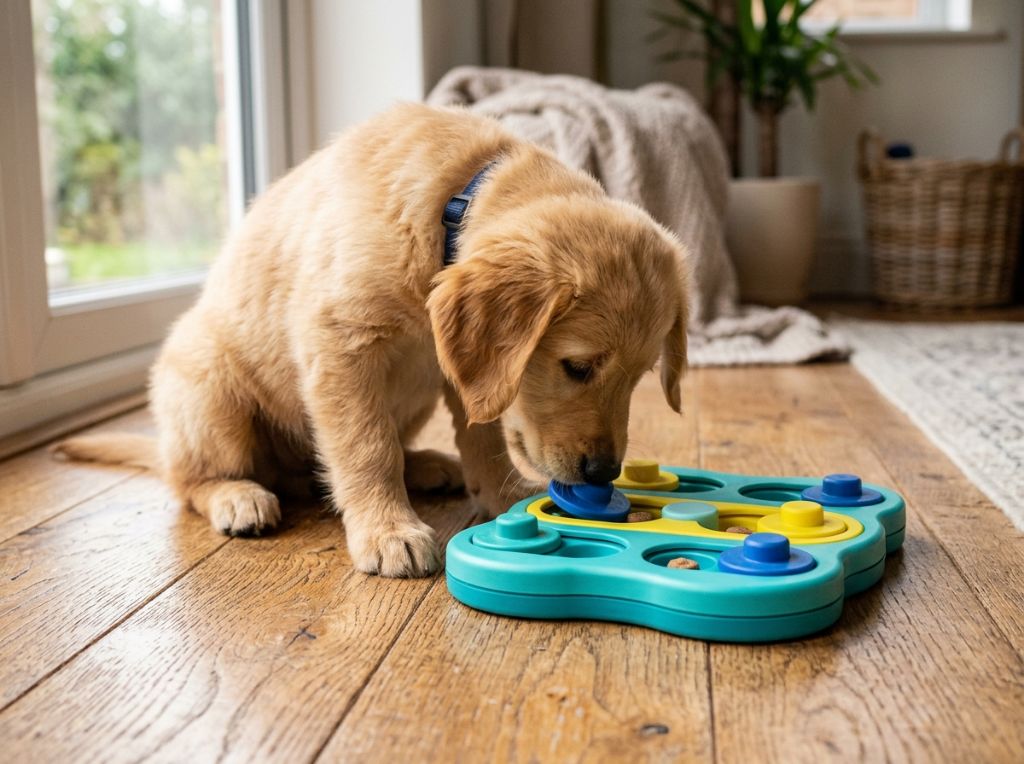
Often, destructive chewing is a symptom of a larger issue: lack of mental engagement. A tired dog is a well-behaved dog, but physical exercise isn't always enough. High-energy breeds, in particular, need to use their brains to feel truly satisfied.
This is where many owners find success by moving beyond basic obedience and into cognitive training. Programs that focus on developing a dog's "hidden intelligence" can significantly reduce problem behaviors like chewing because they address the boredom at its source.
🐕 Transform Your Dog’s Life Today!
Imagine a world where your dog listens, learns quickly, and behaves perfectly! With **Brain Training for Dogs**, you’ll experience a joyful, well-trained pet in no time!
🌟 Begin the Transformation →By engaging your puppy in brain games, you provide a constructive outlet for their energy. Instead of focusing on your furniture, they are focused on solving puzzles and learning new skills. This not only stops the chewing but also creates a much calmer, more attentive companion.
The Role of Teething Relief
If your puppy is in the thick of teething, their gums are likely very uncomfortable. You can help them—and your furniture—by providing cooling relief.
According to the American Kennel Club, cold items can help soothe the inflammation. Try wetting a clean washcloth, twisting it into a rope shape, and freezing it. The cold numbs the gums, while the texture provides the resistance they crave.
Establishing a Routine
Puppies thrive on predictability. When a puppy knows when they will eat, sleep, and play, their overall anxiety levels drop. Ensure your daily routine includes:
- Scheduled Playtime: High-intensity play to burn physical energy.
- Training Sessions: 5-10 minutes of mental work, multiple times a day.
- Nap Time: Puppies need a lot of sleep (up to 18-20 hours a day). Overly tired puppies are often more destructive and prone to "the zoomies."
Frequently Asked Questions
How long does the puppy chewing phase last?
Most puppies stop the intense teething-related chewing by 6 to 8 months of age, once all their adult teeth have come in. However, exploratory chewing can continue into adolescence (up to 2 years) if not properly managed through training.
Should I use bitter sprays to stop chewing?
Bitter sprays can be a helpful management tool to protect furniture legs, but they are not a substitute for training. Some dogs actually enjoy the taste, while others will simply find a different, non-sprayed spot to chew.
Why does my puppy only chew when I leave the room?
This could be a sign of early separation anxiety or simply a lack of supervision. If your puppy is only destructive when alone, ensure they are in a safe, puppy-proofed area or crate with plenty of engaging toys to keep them occupied.
Is it okay to let my puppy chew on old shoes?
No. Puppies cannot distinguish between an "old" shoe you gave them and a "new" shoe you just bought. Giving them household items to chew teaches them that those items are fair game. Stick to dedicated dog toys.
Conclusion: Building a Better Relationship
Stopping puppy chewing isn't about being the "alpha" or showing your dog who is boss. It is about understanding their needs and providing them with the right outlets. By swapping punishment for patience and redirection, you aren't just saving your furniture—you are building a foundation of trust that will last for the rest of your dog's life.
Remember, your puppy is learning how to live in a human world that is often confusing to them. Be their guide, not their critic. If you find yourself struggling with their energy levels, consider looking into structured mental exercises to help them find their focus.
Consistency is the key. Stay the course, keep your shoes out of reach, and before you know it, the land shark phase will be a distant memory.
🐾 Say Goodbye to Bad Behavior!
Tired of your dog's stubborn habits? Discover a **fun and easy** brain training system that turns any dog into a well-behaved genius in just a few weeks!
🐶 Start Training Now →